
-
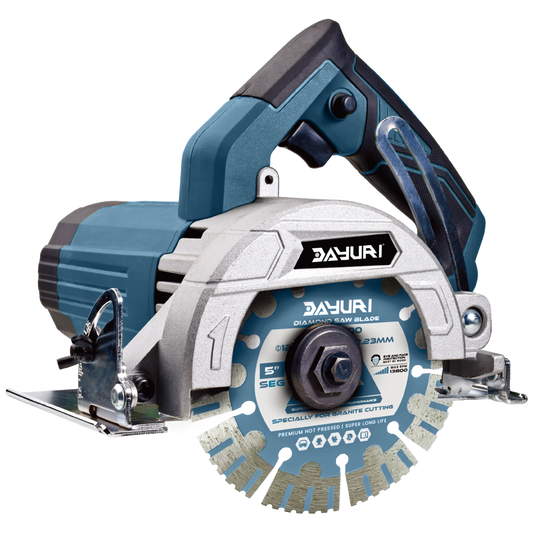
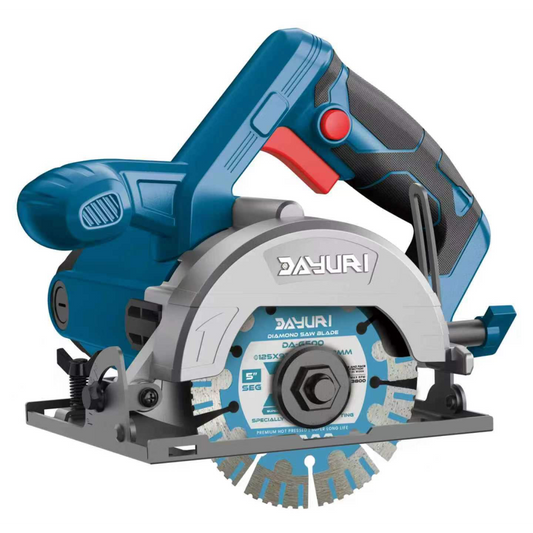
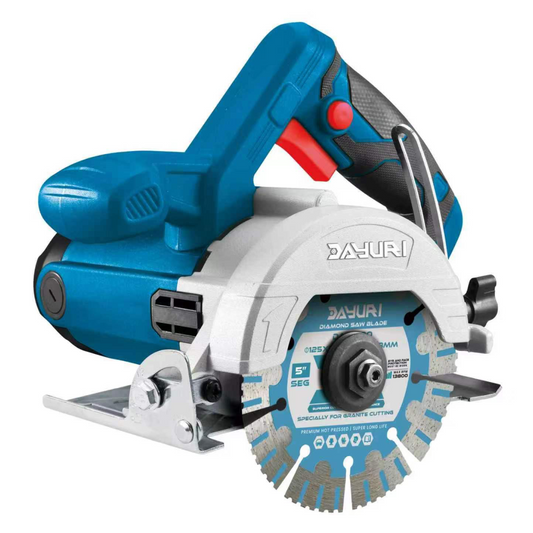
Dayuri DA - MC5025 1700W 125MM Marble Cutter
Regular price Rs. 0.00Regular priceUnit price per -
Dayuri DA - MC5026 13000Rpm 125MM Marble Cutter
Regular price Rs. 0.00Regular priceUnit price per -
Dayuri DA - MC5027 1700W 125MM Marble Cutter
Regular price Rs. 0.00Regular priceUnit price per -
Dayuri DA - WC5031 Wall Chaser
Regular price Rs. 0.00Regular priceUnit price per -
Dayuri DA - CC5032 220V 405mm Concrete Cutter
Regular price Rs. 0.00Regular priceUnit price per -
Dayuri DA - CM5045 Electric Cut-Off Machine
Regular price Rs. 0.00Regular priceUnit price per -
Dayuri DA - CM5046 Electric Cut-Off Machine
Regular price Rs. 0.00Regular priceUnit price per -
Dayuri DA - CM5048 Electric Cut-Off Machine
Regular price Rs. 0.00Regular priceUnit price per -
Dayuri DA - CM5049 Electric Cut-Off Machine
Regular price Rs. 0.00Regular priceUnit price per -
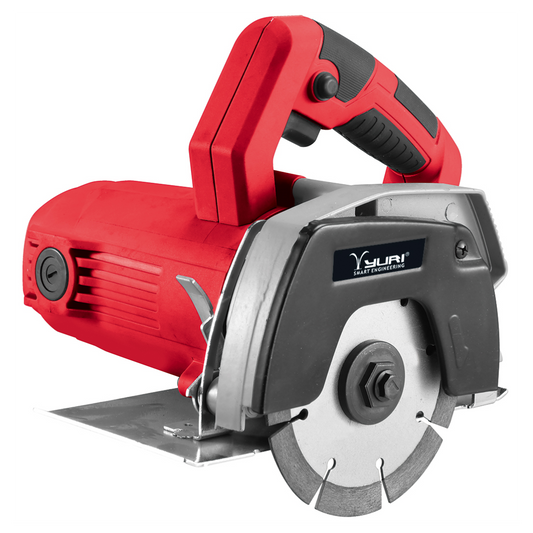
Yuri YR MC1030 110mm Marble Cutter
Regular price Rs. 0.00Regular priceUnit price per -
Yuri YR - MC1031 11000Rpm 110mm Marble Cutter
Regular price Rs. 0.00Regular priceUnit price per -
Yuri YR - MC1032 11000Rpm 1350W Marble Cutter
Regular price Rs. 0.00Regular priceUnit price per -
Yuri YR - MC1040 11000Rpm 125mm Marble cutter
Regular price Rs. 0.00Regular priceUnit price per -
Yuri YR - MC1041 1600W 125mm Marble cutter
Regular price Rs. 0.00Regular priceUnit price per -
Yuri YR - CS1012 Circular Saw
Regular price Rs. 0.00Regular priceUnit price per -
Yuri YR - CM1045 Cut off Machine
Regular price Rs. 0.00Regular priceUnit price per




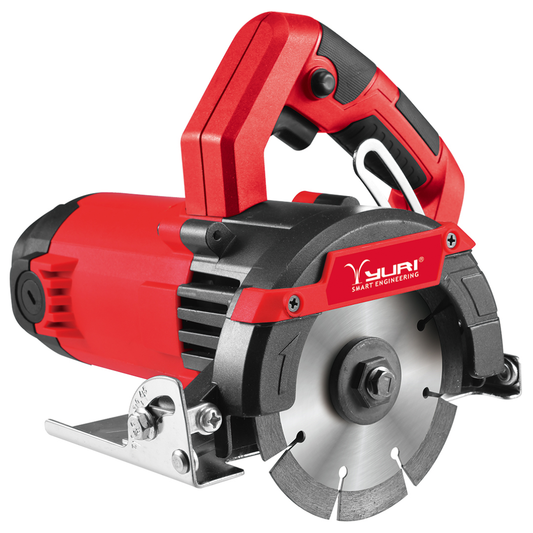
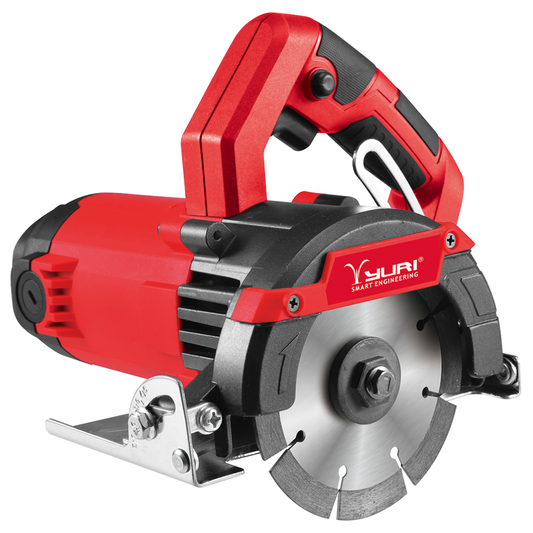


Cutting Tools Built for Clean, Controlled, and Everyday Cutting Work
Cutting tools are used almost every day in workshops, construction work, fabrication units, repair jobs, plumbing work, electrical fitting, tile work, wood work, and general maintenance. A good cutting tool does more than simply cut material. It helps the worker save time, maintain control, reduce rough edges, and finish the job with better accuracy.
For many users in India, cutting work happens in real job-site conditions. The surface may be dusty, the material may be tough, and the tool may be used for long hours. This is why choosing the right cutting machine matters. Yuri cutting tools are made for users who want dependable performance for daily cutting work, whether the job is small repair work or regular professional use.
Why Cutting Tools Matter in Daily Work
A cutting job can look simple from the outside, but anyone who has worked on metal, wood, tiles, pipes, stone, concrete, or plastic knows that the right tool makes a major difference. If the machine is underpowered, the cut becomes slow. If the tool is not stable, the finish becomes uneven. If the accessory is wrong, the material can burn, chip, crack, or wear the blade too quickly.
This is where well-selected cutting power tools help. They allow users to work with better speed and better control. For contractors, fabricators, fitters, carpenters, plumbers, electricians, and site workers, this can make the entire job smoother.
- Cutting metal rods, pipes, sheets, and sections
- Trimming wood, boards, panels, and site materials
- Working on tiles, marble, concrete, and masonry surfaces
- Preparing material for welding, fitting, repair, or installation
- Supporting renovation, fabrication, and maintenance work
- Handling repeated cutting tasks with better control and less effort
Why Choose Yuri Cutting Tools
Yuri cutting tools are designed for practical users who need tools that can handle everyday pressure. A worker does not only look for high power on paper. They want a machine that feels balanced in the hand, runs smoothly, works with the right accessories, and does not become difficult to manage during regular use.
The Yuri range focuses on useful design, steady performance, and worksite-friendly handling. Whether a user is cutting metal, working on building materials, or handling workshop jobs, the goal is to give them a tool that feels reliable during actual use, not just during a quick product check.
- Useful for workshop, site, repair, and installation jobs
- Suitable for different materials when paired with the right accessory
- Designed for better grip and handling during cutting work
- Helpful for both professional users and serious DIY users
- Built for Indian working conditions where dust, heat, and long hours are common
Types of Work Covered by Cutting Tools
Different materials need different cutting methods. A metal pipe does not behave like a tile, and a concrete surface does not cut like wood. That is why users should choose the machine and accessory according to the actual job instead of trying to use one tool for everything.
For metal work, users often need fast and clean cutting with minimum wastage. In such jobs, the right disc or blade is just as important as the machine. Many workshops pair their machines with suitable cutting wheels for faster cutting of metal rods, pipes, sheets, and fabrication materials.
For construction and finishing work, cutting tools are useful for tiles, concrete, masonry, and stone-related jobs. A clean cut helps reduce breakage and saves time during fitting. This is especially important when working on renovation sites where material loss can quickly increase the total cost.
How to Choose the Right Cutting Tool
The best cutting tool depends on the material, the depth of cut, the frequency of use, and the finish required. A user who cuts metal every day will need a different tool setup than someone who cuts tiles once in a while. A contractor working on concrete surfaces will again need something more specific.
Before selecting a cutting machine, think about the work you do most often. If your work involves metal fabrication, look at speed, motor strength, disc compatibility, and ease of control. If your work involves tiles or construction surfaces, check whether the tool can support clean cutting without chipping the edges. If the tool will be used for long hours, grip comfort and machine balance become very important.
- Material type such as metal, wood, tile, stone, concrete, or plastic
- Required cutting depth and cutting speed
- Machine weight and grip comfort
- Accessory compatibility
- Power requirement for daily use
- Safety features and ease of handling
- Availability of replacement blades, discs, and spares
Where Yuri Cutting Tools Are Commonly Used
Yuri cutting tools are useful across many work areas. Fabricators use them for metal sections, pipes, rods, and sheets. Construction workers use them for site adjustments and material preparation. Carpenters and interior teams use cutting machines during fitting, trimming, and finishing work. Repair teams use them when old parts need to be removed or resized.
In many workshops, cutting tools are also used along with other support tools. For example, workers may need safe handling and material movement before or after cutting. In such cases, Yuri lifting tools can support heavier workshop and industrial material handling where lifting support is needed.
For tile and building surface work, users may need a more focused range for site finishing. Yuri also offers concrete tile tools for users working on tiles, concrete surfaces, and related construction finishing jobs.
Who Can Use Yuri Cutting Tools?
- Fabrication units and metal workshops
- Construction contractors
- Tile and marble workers
- Carpenters and interior teams
- Electricians and plumbers
- Repair and maintenance teams
- Industrial users and site workers
- DIY users who need reliable cutting support
Safety and Maintenance Tips
Cutting tools should always be used carefully. Even a strong machine can become risky if the wrong accessory is fitted or if the user applies too much pressure. Let the tool do the work. Forcing the machine usually increases heat, reduces cut quality, and may damage the disc, blade, or motor.
- Wear safety glasses, gloves, and proper work clothing
- Use the correct blade or disc for the material
- Check the accessory before starting the machine
- Do not use cracked, chipped, or worn-out discs
- Keep both hands steady when cutting tough materials
- Avoid pushing the machine too hard into the surface
- Clean dust and debris from the tool after use
- Store the machine in a dry and safe place
FAQs
What are cutting tools used for?
Cutting tools are used to cut, trim, shape, and prepare materials such as metal, wood, tile, concrete, stone, plastic, and site materials.
How do I choose the right cutting machine?
Choose a cutting machine based on the material, cutting depth, daily workload, accessory compatibility, and how comfortable the tool feels during use.
Can one cutting tool cut all materials?
Not always. Some tools can handle multiple materials, but the blade or disc must match the surface. Using the wrong accessory can reduce performance and safety.
Are cutting power tools suitable for professional use?
Yes, cutting power tools are suitable for professional use when selected according to the job, workload, and material type.
How can I improve cutting tool life?
Use the right accessory, avoid excess pressure, keep the tool clean, follow the recommended operating speed, and replace worn-out discs or blades on time.
Explore Yuri Cutting Tools
Yuri cutting tools are made for users who need dependable cutting support for workshop, construction, repair, industrial, and everyday site work. From metal cutting to tile work and general material preparation, the right tool helps improve speed, finish, and control.
If your work depends on clean cuts, better handling, and steady performance, the Yuri cutting tools collection gives you practical options for different applications and working conditions.
Quick Selection Guide
| Work Type | What to Check | Useful For |
|---|---|---|
| Metal cutting | Disc compatibility, speed, grip control | Fabrication, repair, pipe cutting |
| Tile and concrete work | Cut depth, blade type, surface finish | Renovation, fitting, site work |
| General workshop use | Machine balance, daily workload, accessory support | Maintenance, trimming, small jobs |