Cleaning and Polishing Machines
-
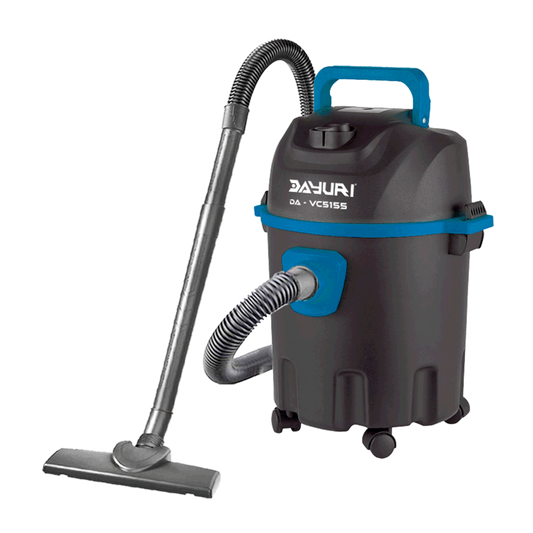
Dayuri DA - VC5155 1000W 12L Vacuum Cleaner
Regular price Rs. 0.00Regular priceUnit price per -
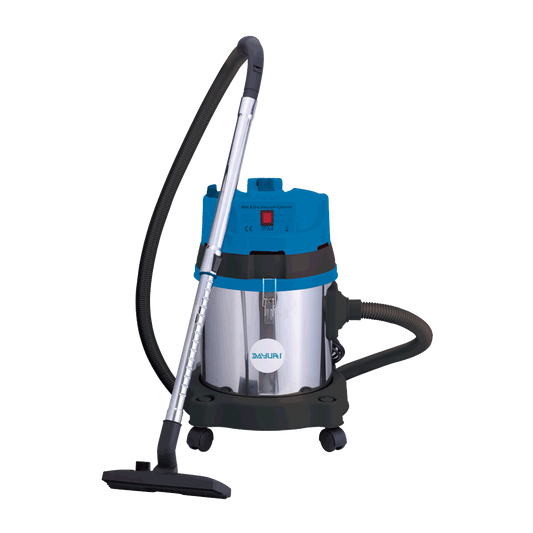
Dayuri DA - VC5156 2000W 25L Vacuum Cleaner
Regular price Rs. 0.00Regular priceUnit price per -
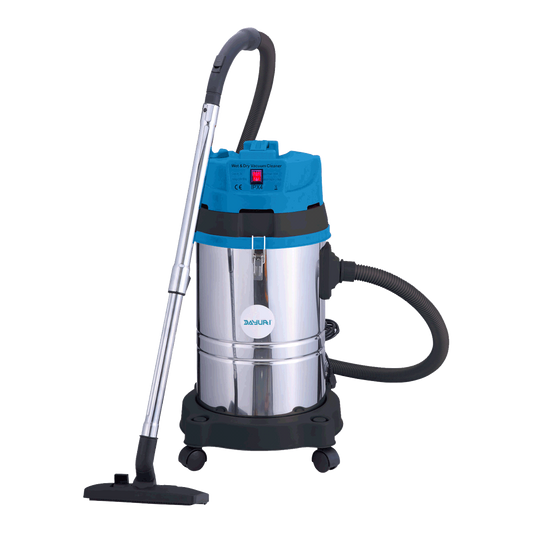
Dayuri DA - VC5157 2000W 35L Vacuum Cleaner
Regular price Rs. 0.00Regular priceUnit price per -
Dayuri DA - VC5158 4000W 70L Vacuum Cleaner
Regular price Rs. 0.00Regular priceUnit price per -
Dayuri DA - VC5159 6000W 18KPA Vacuum Cleaner
Regular price Rs. 0.00Regular priceUnit price per -
Dayuri Tools DA FWM5160 80L 3 Bar Foam Machine
Regular price Rs. 0.00Regular priceUnit price per -
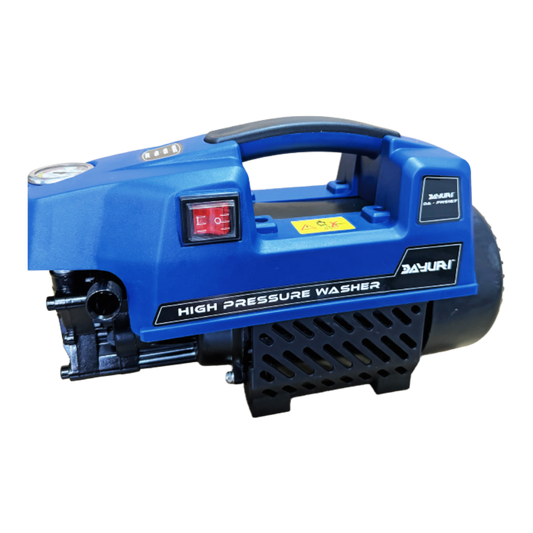
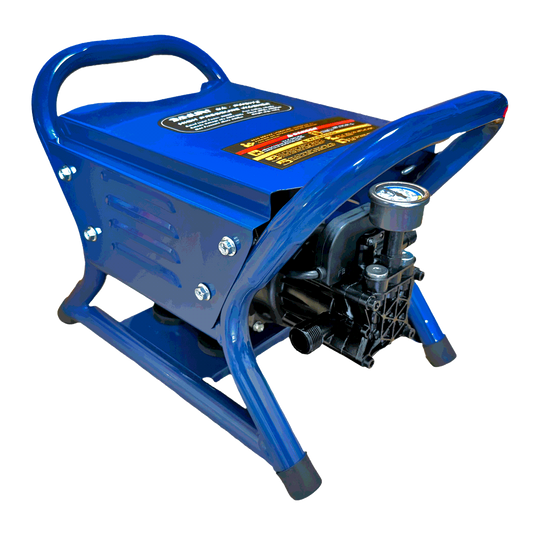
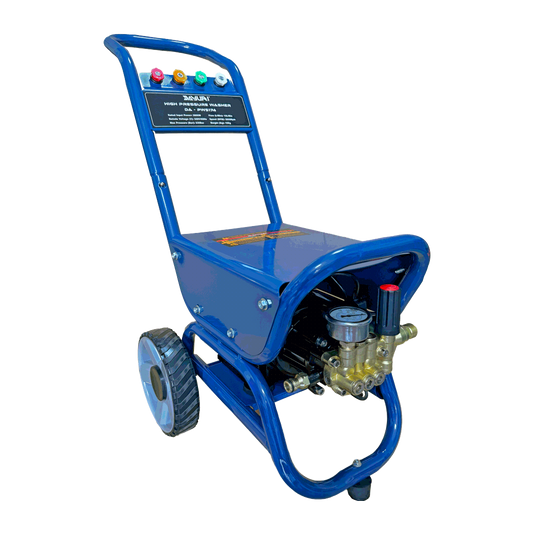
Dayuri DA - PW5167 2300W 150 Bar High Pressure Washer
Regular price Rs. 0.00Regular priceUnit price per -
Dayuri DA - PW5168 2500W 150 Bar High Pressure Washer
Regular price Rs. 0.00Regular priceUnit price per -
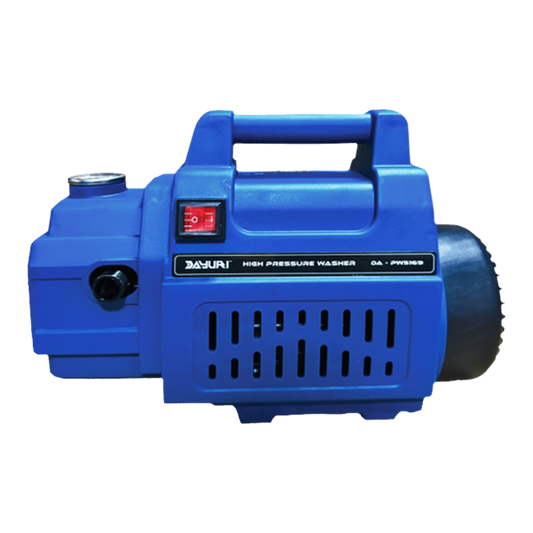
Dayuri DA - PW5169 2500W 180 Bar High Pressure Washer
Regular price Rs. 0.00Regular priceUnit price per -
Dayuri DA - PW5171 2850W 210 Bar High Pressure Washer
Regular price Rs. 0.00Regular priceUnit price per -
Dayuri DA - PW5172 5HP 290 Bar High Pressure Washer
Regular price Rs. 0.00Regular priceUnit price per -
Dayuri DA - PW5173 2800W 230 Bar High Pressure Washer
Regular price Rs. 0.00Regular priceUnit price per -
Dayuri DA - PW5174 2800W 230 Bar High Pressure Washer
Regular price Rs. 0.00Regular priceUnit price per -
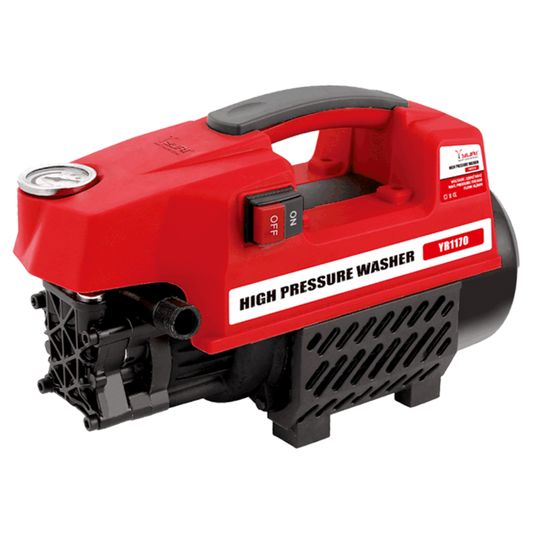
Yuri YR - PW1170 2300W 150 bar High Pressure Washer
Regular price Rs. 0.00Regular priceUnit price per -
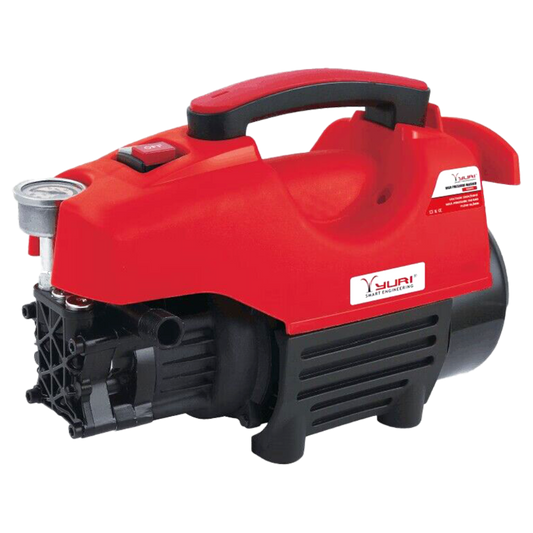
Yuri YR - PW1171 2300W 150 Bar High Pressure Washer
Regular price Rs. 0.00Regular priceUnit price per -
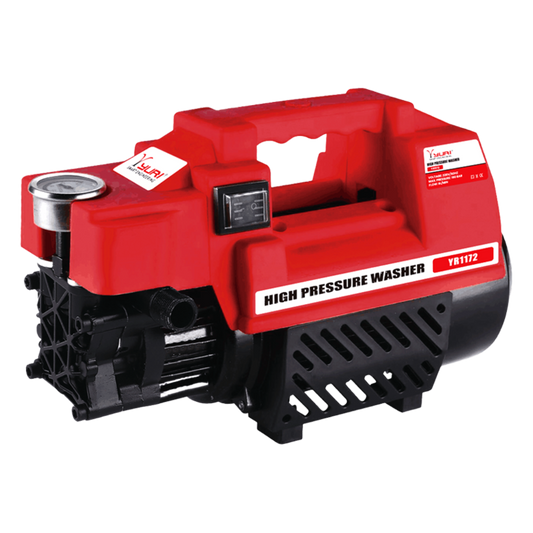
Yuri YR-PW1172 2500W 180 Bar High Pressure Washer
Regular price Rs. 0.00Regular priceUnit price per
Select the cleaning method
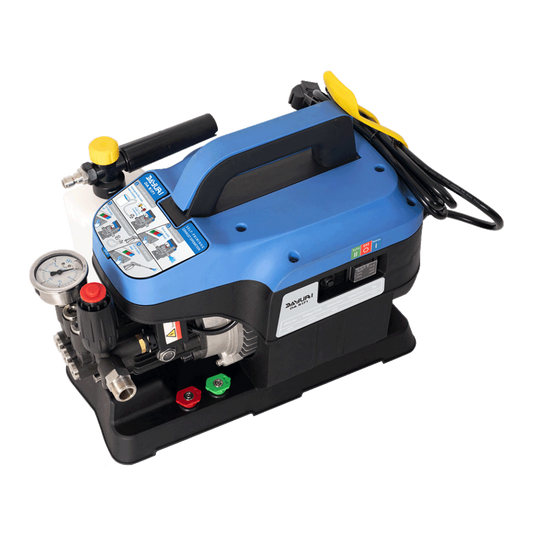
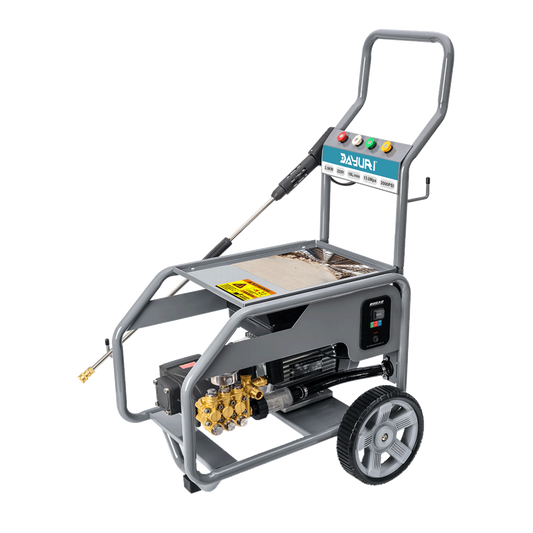
This equipment sits within Yuri’s power tools collection. Pressure washers, vacuums, foam equipment and a polisher perform different jobs; input wattage alone cannot compare their results.
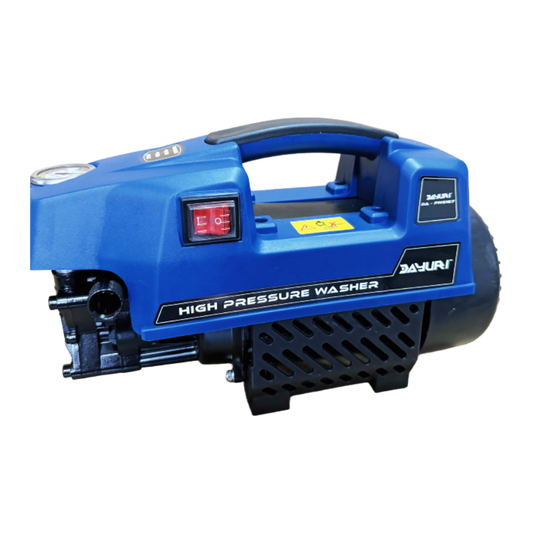
Two pressure-washer examples illustrate why pressure and flow both matter:
| Model | Published maximum pressure | Published flow |
|---|---|---|
| Yuri PW1171 | 150 bar | 6L/min |
| Dayuri PW5167 | 150 bar | 10L/min |
These are separately published specifications, not a verified flow test at maximum pressure. Match the approved operating setup, water supply and surface application to the job.
Compare collection and finishing requirements
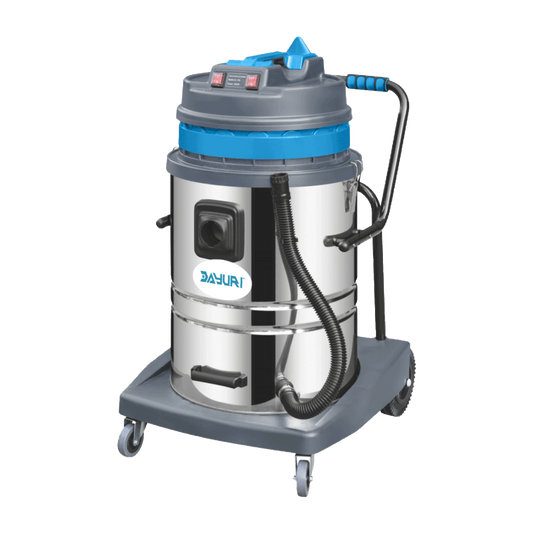
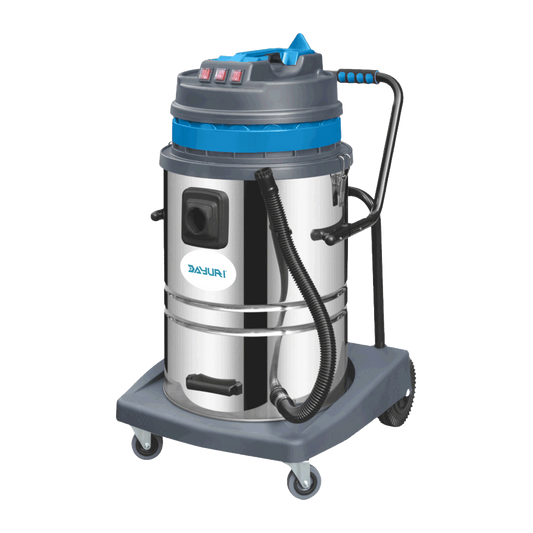
For vacuum cleaners, distinguish tank capacity, suction, air volume and filtration requirements. Litres describe collection volume, not suction performance or an approval for every type of dust or liquid.
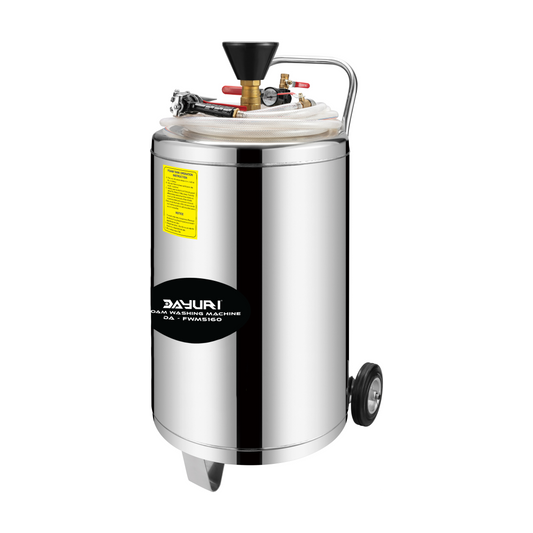
The CP1110 electric polisher lists a 180mm disc diameter, 3000RPM no-load speed and a 220V, 50Hz supply. Choose the pad, attachment and compound approved for that tool and surface. The separately listed foam machine needs its own approved operating setup.
Choose equipment for the cleaning or finishing task
For collecting debris, read the workshop-vacuum selection guide. For water cleaning, compare pressure and flow with the pressure-washer guide. Surface finishing needs a separate machine, pad and compound check, explained in the polishing-machine guide.
Frequently Asked Questions
Are all the vacuum cleaners approved for both wet and dry collection?
The published electrical, tank and suction figures do not establish wet/dry or hazardous-dust approval. Confirm the permitted collection materials and required filtration for the selected model.
Is there a battery-powered vacuum in this collection?
The YR-967 listing gives a 21V, 6.0Ah battery specification. Confirm the compatible battery, charger, supplied accessories and intended collection use; the listing does not provide a tested runtime.