
-
Dayuri Tools EP5101 800W Electric Planer with 2mm Planing Depth
Regular price Rs. 0.00Regular priceUnit price per -
Dayuri Tools EP5100 500W Electric Planer with 1mm Planing Depth
Regular price Rs. 0.00Regular priceUnit price per

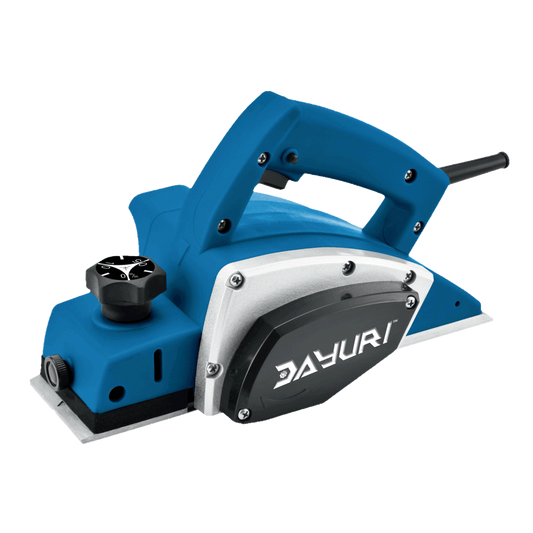
Electric Planer Machines for Smooth Wood Shaping and Site Work
An electric planer is one of those tools that becomes very useful once you start working with wood regularly. It helps remove uneven layers, correct rough edges, reduce thickness, and give wooden surfaces a cleaner, more even finish. For carpenters, furniture makers, interior contractors, repair teams, and workshop users, it saves a lot of time compared to doing the same work by hand.
The Yuri Electric Planer collection is built for users who need practical wood shaping support in daily work. Whether the job is door fitting, frame adjustment, furniture repair, plank leveling, or smoothing rough timber, a good electric planer helps make the work quicker and easier to control. It is especially helpful on Indian job sites where workers often deal with mixed wood quality, uneven surfaces, and last-minute fitting changes.
Why Electric Planers Are Useful
A hand planer can work well for small touch-ups, but it takes more effort when the surface is wide, thick, or uneven. An electric planer removes material faster and keeps the cutting action more consistent. This helps workers prepare wood for fitting, finishing, and assembly with less manual strain.
In carpentry and interior work, small differences in thickness can create fitting problems. A door may not close properly, a wooden frame may sit unevenly, or a board may need trimming before installation. In these situations, an electric planer gives better speed and control than sanding alone.
- Leveling wooden doors and frames
- Reducing extra thickness from planks and boards
- Smoothing rough wooden surfaces before finishing
- Correcting uneven edges during fitting work
- Preparing wood for furniture and interior projects
- Handling workshop repair and adjustment jobs
Why Choose Yuri Electric Planers
A planer should feel steady in the hand. If the machine is difficult to control, the surface can become uneven very quickly. Yuri electric planers are designed with everyday work in mind, where users need a tool that cuts smoothly, feels balanced, and can handle repeated use without making the job uncomfortable.
The focus is not only on cutting power. Grip comfort, blade stability, machine balance, and depth control all matter when working on wood. A practical planer helps users remove material in controlled passes instead of forcing the tool aggressively. This is important when working on doors, frames, panels, and wooden boards where one wrong pass can affect the finish.
After shaping wood, many workshops also polish or finish the surface depending on the final look required. For surface shine and finishing support, users may also pair their woodworking process with a Yuri power polisher when the job needs smoother finishing after basic shaping work.
- Useful for carpentry, furniture, and interior fitting work
- Helps reduce manual effort during wood shaping
- Supports cleaner surface preparation before finishing
- Practical for workshop and on-site adjustment jobs
- Easy to use for repeated trimming and leveling tasks
- Suitable for professionals as well as skilled repair users
Common Applications of Electric Planers
Electric planers are widely used in woodworking because they solve real fitting problems. For example, when a wooden door expands slightly due to moisture, a planer can remove a thin layer from the edge so the door moves freely again. When a board is too thick for a frame, the planer can reduce the thickness gradually. These are simple jobs, but they matter a lot on site because they save time and avoid unnecessary replacement.
Carpenters use electric planers for door fitting, furniture making, shuttering work, frame corrections, wooden panel leveling, and finishing preparation. Interior teams use them when cabinets, partitions, or wooden panels need small corrections during installation. Maintenance teams also find them useful for repairing old wooden surfaces where sanding alone is too slow.
Woodworking also creates dust and chips while cutting, sanding, or planing. To keep the job area cleaner between tasks, many users keep an electric blower nearby so loose dust and wood particles can be cleared before measurement, marking, or finishing work.
- Carpentry workshops
- Furniture manufacturing units
- Interior installation teams
- Door and window fitting work
- Wood repair and maintenance jobs
- Construction and site-level wooden fitting work
How to Choose the Right Electric Planer
Choosing an electric planer depends on the kind of work you do most often. For light trimming and small repair work, a compact planer may be enough. For daily carpentry or workshop use, choose a planer that feels stronger, steadier, and more comfortable during longer working hours.
Depth adjustment is one of the most important things to check. It allows the user to remove only the required amount of material in each pass. A deeper cut may look faster, but it can also create rough results if the wood is hard or uneven. For cleaner work, it is better to take controlled passes rather than trying to remove too much wood at once.
Also check the blade quality, grip comfort, base plate stability, and dust outlet design. A planer that feels balanced will be easier to guide along the surface. Before planing any surface, users often mark fixing points or prepare pilot holes for fittings, and for that kind of support, a reliable electric drill machine can be useful on the same job site.
- Type of wood you work on regularly
- Required cutting depth and adjustment control
- Machine weight and grip comfort
- Blade sharpness and replacement support
- Dust handling and cleaning requirement
- Daily workload and professional use case
Quick Selection Guide
| Selection Point | Why It Matters |
|---|---|
| Wood Type | Different wood densities affect cutting smoothness and blade wear. |
| Depth Control | Allows controlled material removal without damaging the surface. |
| Grip Comfort | Improves handling during long carpentry and fitting jobs. |
| Blade Quality | Sharp blades produce cleaner cuts and smoother surfaces. |
| Daily Workload | Professional users benefit from stronger and more durable machines. |
Who Can Use Yuri Electric Planers?
Yuri electric planers are suitable for users who work with wood in a practical way, not just in a perfect workshop setup. On many job sites, the wood may not always be perfectly straight, the surface may need quick correction, or the fitting may need adjustment after measurement. A planer helps handle these changes without slowing down the entire work.
- Carpenters and furniture makers
- Interior contractors and fit-out teams
- Door and frame installation workers
- Woodworking shops
- Repair and maintenance teams
- Construction professionals working with wooden fittings
- Experienced DIY users handling wood repair work
Safety and Maintenance Tips
An electric planer cuts wood quickly, so it should be used with proper care. Always check the blade condition before use. A dull or damaged blade can leave marks on the surface and may make the machine harder to control. Keep both hands steady while guiding the tool and avoid rushing the cut.
Do not start planing without checking the surface for nails, screws, or hidden metal pieces. These can damage the blade and create safety risks. After use, clean the dust outlet, remove wood chips, and store the machine in a dry place. Regular cleaning helps the planer run smoothly and keeps the tool ready for the next job.
- Wear safety glasses and gloves while working
- Check the wood surface for nails or screws before planing
- Use controlled passes instead of forcing a deep cut
- Keep the base flat on the wooden surface
- Clean wood dust and chips after every use
- Store the planer safely when not in use
FAQs
What is an electric planer used for?
An electric planer is used to remove thin layers from wood, level uneven surfaces, reduce thickness, and smooth edges during carpentry and fitting work.
Can an electric planer be used for door fitting?
Yes, it is commonly used for trimming door edges, correcting tight-fitting doors, and adjusting wooden frames during installation or repair.
Is an electric planer better than sanding?
Both tools have different uses. A planer removes more material quickly, while sanding is better for final smoothing and surface finishing.
Can beginners use an electric planer?
Yes, but they should start with shallow depth settings, practice on scrap wood, and avoid forcing the machine.
How do I get a smoother finish with an electric planer?
Use sharp blades, take light passes, move steadily with the grain, and finish the surface with sanding or polishing if needed.
Explore Yuri Electric Planers
Yuri electric planers are made for users who need smoother wood shaping, faster trimming, and better control during daily carpentry work. From door fitting and furniture repair to workshop leveling and site adjustments, this collection supports practical woodworking needs across professional and maintenance applications.
For users who regularly work with wooden surfaces, a dependable electric planer can make everyday jobs easier, cleaner, and more accurate. It helps reduce manual effort, improves fitting work, and gives workers better control when preparing wood for the next stage of the job.