
-
Yuri YR - PWD1118 HL Power Weeder
Regular price Rs. 0.00Regular priceUnit price per -
Yuri YR - PWP1117 HL Power Weeder
Regular price Rs. 0.00Regular priceUnit price per -
Yuri YR - PWD1116 ATV-SS Power Weeder
Regular price Rs. 0.00Regular priceUnit price per -
Yuri YR - PWD1116 ATV Power Weeder
Regular price Rs. 0.00Regular priceUnit price per -
Yuri YR - PWP1115 ATV-HL-SS Power Weeder
Regular price Rs. 0.00Regular priceUnit price per -
Yuri YR - PWP1115 ATV-HL Power Weeder
Regular price Rs. 0.00Regular priceUnit price per -
Yuri YR - PWP1115 Power Weeder
Regular price Rs. 0.00Regular priceUnit price per -
Dayuri DA - EA5128 Earth Auger
Regular price Rs. 0.00Regular priceUnit price per -
Dayuri DA - EA5127 Earth Auger
Regular price Rs. 0.00Regular priceUnit price per -
Yuri YR - GD1137 Ground Drill (63cc)
Regular price Rs. 0.00Regular priceUnit price per -
Yuri YR - GD1136 Ground Drill (52cc)
Regular price Rs. 0.00Regular priceUnit price per


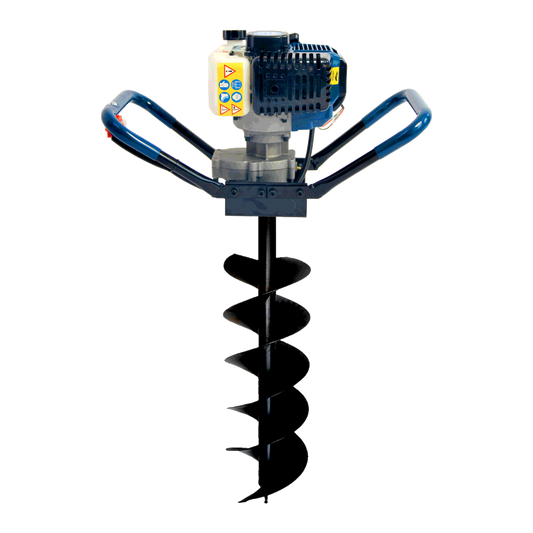
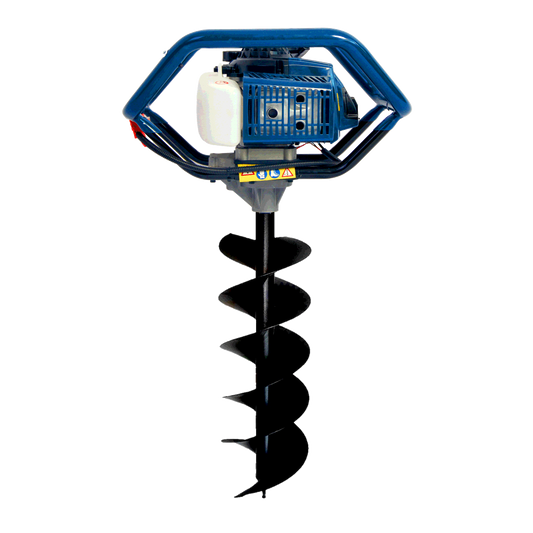
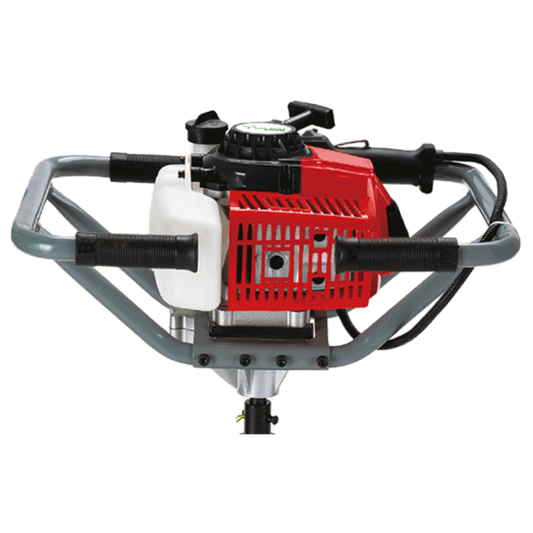

Soil Preparation Drilling Tools for Farm and Field Work
Soil preparation drilling is one of those jobs where the right tool can save a lot of effort. Farmers, contractors, nursery teams, fencing workers, and field maintenance teams often need clean, deep, and properly spaced holes before any real installation work can begin. Whether the task is planting saplings, setting fence posts, preparing support poles, or working on farm structures, a dependable soil drilling setup makes the job faster and more controlled.
Yuri soil preparation drilling tools are made for people who work in real outdoor conditions, where soil can be loose in one place, compact in another, and full of small stones or roots in between. The collection is useful for agricultural work, landscaping jobs, farm maintenance, and land preparation tasks where manual digging takes too much time and energy.
Why Soil Preparation Drilling Matters
In farm and field work, drilling into soil is not just about making a hole. The hole has to be deep enough, wide enough, and steady enough for the job. A poorly made hole can make fence posts unstable, slow down plantation work, or create extra rework for the team. This is why many professionals prefer powered drilling tools instead of relying only on manual digging.
Good soil drilling helps maintain consistency across repeated holes. This becomes especially useful when working on boundary fencing, tree plantation, farm sheds, irrigation supports, or landscaping layouts. When every hole is roughly similar in size and depth, the final installation looks cleaner and performs better over time.
Where These Tools Are Commonly Used
Soil preparation drilling tools are useful across many day-to-day farming and site jobs. They are especially helpful when the work involves repeated digging in open areas, fields, gardens, nurseries, or construction support zones.
- Digging holes for fence posts and farm boundaries
- Preparing soil for sapling and tree plantation
- Creating holes for poles, support stands, and outdoor frames
- Working on nursery beds, garden layouts, and landscaping projects
- Supporting irrigation, farm shed, and field structure installation
- Reducing manual digging effort during repeated field work
Built for Practical Farm and Outdoor Use
Outdoor drilling work is different from indoor workshop drilling. The ground is uneven, the operator may have to move across a large area, and the soil condition can change from one patch to another. A good soil preparation drilling tool should feel strong, balanced, and easy to handle for longer periods.
Yuri tools are selected for practical users who need reliable performance without making the work complicated. For farms and field teams, simple handling matters just as much as power. A tool that starts easily, grips well, and stays steady during operation can make the whole job smoother.
Choosing the Right Soil Drilling Tool
Before choosing a tool, think about the type of soil, hole size, working depth, and how many holes you need to make in a day. Soft garden soil may not need the same power as hard farm soil. A small plantation job may need a different setup than a full boundary fencing project.
For users comparing different hole-making tools and accessories, Yuri also offers a dedicated range of drilling tools India buyers can explore for workshop, site, and field-related applications. This helps customers choose tools based on the actual material and type of drilling work they handle most often.
A few things worth checking before buying include:
- The soil type and ground condition at your site
- Required hole diameter and depth
- Daily workload and expected runtime
- Tool weight, grip comfort, and operator control
- Ease of carrying the tool across the field
- Availability of suitable bits, blades, or accessories
How Soil Drilling Supports Better Field Work
Manual digging can still work for small jobs, but it becomes tiring when the number of holes increases. Soil drilling tools help reduce physical effort and improve work speed. They also help teams plan their layout better, especially when working on rows for plantation or evenly spaced fence posts.
For farm owners, this can reduce dependency on extra labour for basic digging work. For contractors, it helps complete installation jobs faster. For nurseries and landscaping teams, it gives better control over spacing and hole preparation before planting.
Related Tools That May Support the Same Work
Some soil preparation projects also involve fixing brackets, drilling into walls near farm sheds, or installing support fittings around the work area. In those cases, an impact drill machine can be useful for harder surfaces like masonry, concrete, or brick, while soil drilling tools handle ground preparation work.
Accuracy also matters when posts, frames, or angled supports need to be aligned properly. For measurement and angle checking during layout or fabrication-related work, a bevel protractor can help users check angles more clearly before final fixing or assembly.
Quick Selection Guide
| Work Type | What to Look For | Why It Matters |
|---|---|---|
| Plantation work | Suitable hole size and easy handling | Helps prepare consistent holes for saplings and young plants |
| Fence post work | Good drilling depth and steady control | Keeps posts properly placed and reduces rework |
| Farm maintenance | Durable build and simple operation | Useful for repeated outdoor tasks across the field |
| Landscaping | Clean hole-making and controlled movement | Supports neater layouts in gardens and open spaces |
Safety and Maintenance Tips
Soil drilling work may look simple, but the tool should still be handled carefully. The operator should stand firmly, keep both hands in control, and avoid forcing the tool when the soil is too hard or blocked by stones. It is better to pause, clear the area, and continue than to overload the machine.
- Check the tool before starting field work
- Keep hands, feet, and loose clothing away from rotating parts
- Use the right bit or attachment for the soil condition
- Avoid drilling where underground pipes, cables, or irrigation lines may be present
- Clean soil and dust from the tool after use
- Store the machine in a dry and safe place after work
FAQs
What is soil preparation drilling used for?
It is used for making holes in soil for plantation, fencing, poles, supports, landscaping, and general field preparation work.
Can soil drilling tools be used for farm fencing?
Yes, they are useful for preparing post holes for fencing, especially when many holes need to be made across a field or boundary line.
Are these tools useful for plantation work?
Yes, they can help prepare cleaner and more consistent holes for saplings, garden plants, and nursery work.
What should I check before choosing a soil drilling tool?
Check the soil type, required hole size, working depth, daily workload, tool weight, and availability of compatible accessories.
How do I maintain a soil drilling tool?
Clean the tool after use, remove stuck soil from working parts, store it in a dry place, and inspect attachments before the next job.
Explore Yuri Soil Preparation Drilling Tools
Yuri soil preparation drilling tools are made for users who need dependable support for farm, field, landscaping, and outdoor installation work. The collection is useful for anyone who wants to reduce manual digging effort, improve hole consistency, and handle land preparation jobs with better control.
Whether the work involves plantation, fencing, pole fixing, garden layouts, or regular farm maintenance, the right soil drilling tool can make the job easier from the first hole to the last.