
-
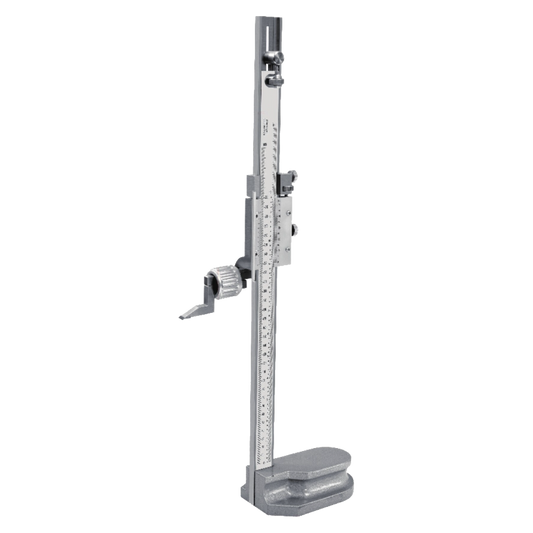
Yuri Tools Vernier Height Caliper 0.02mm Stainless Steel
Regular price Rs. 0.00Regular priceUnit price per -
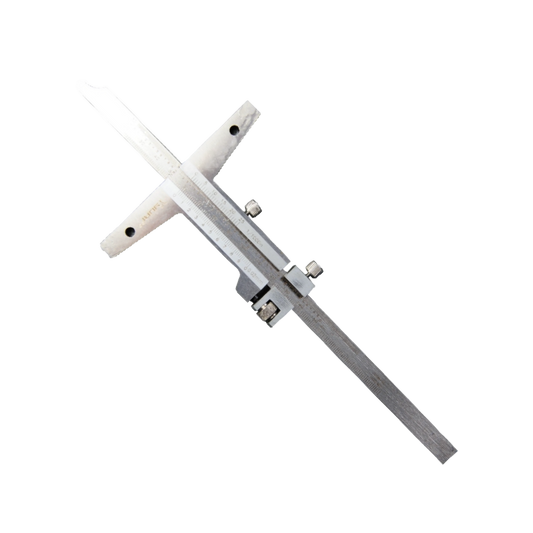
Yuri Tools Vernier Depth Caliper 0.02mm Stainless Steel
Regular price Rs. 0.00Regular priceUnit price per -
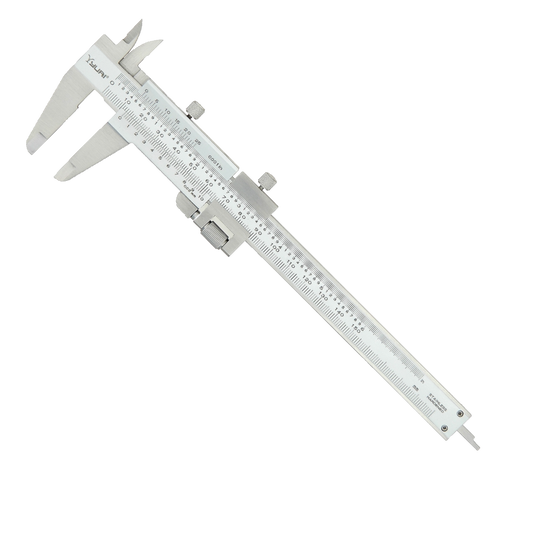
Yuri Tools Mono Block Vernier Caliper 0.02mm Stainless Steel
Regular price Rs. 0.00Regular priceUnit price per -
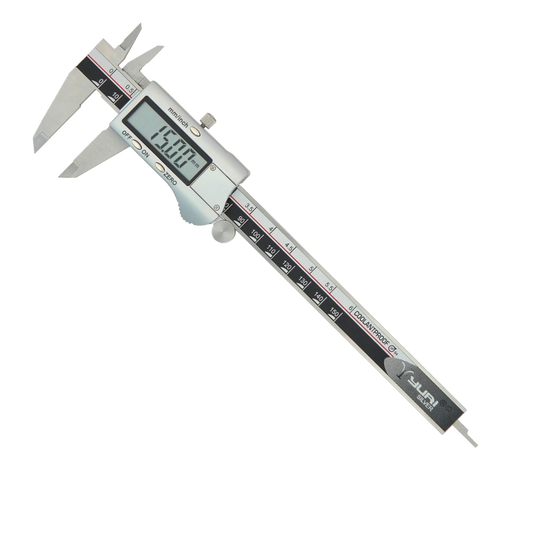
Yuri Tools Metal Case Digital Caliper 0.01mm IP54
Regular price Rs. 0.00Regular priceUnit price per -
Yuri Tools Heavy Duty Vernier Caliper 0.02mm Stainless Steel
Regular price Rs. 0.00Regular priceUnit price per -
Yuri Tools Solid Vernier Caliper 0.02mm Stainless Steel
Regular price Rs. 0.00Regular priceUnit price per -
Yuri Tools Digital Height Caliper 0.01mm LCD Display
Regular price Rs. 0.00Regular priceUnit price per -
Yuri Tools Digital Depth Caliper ±0.02mm Metric/Inch
Regular price Rs. 0.00Regular priceUnit price per -
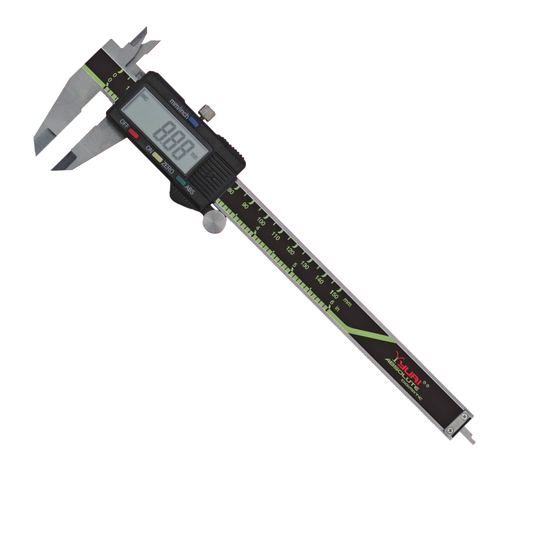
Yuri Tools Digital Caliper 0.01mm Stainless Steel
Regular price Rs. 0.00Regular priceUnit price per -
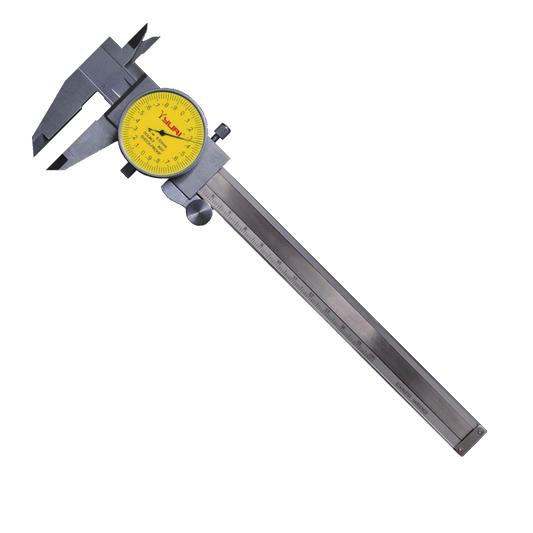
Yuri Tools Dial Caliper 0.02mm Stainless Steel
Regular price Rs. 0.00Regular priceUnit price per -
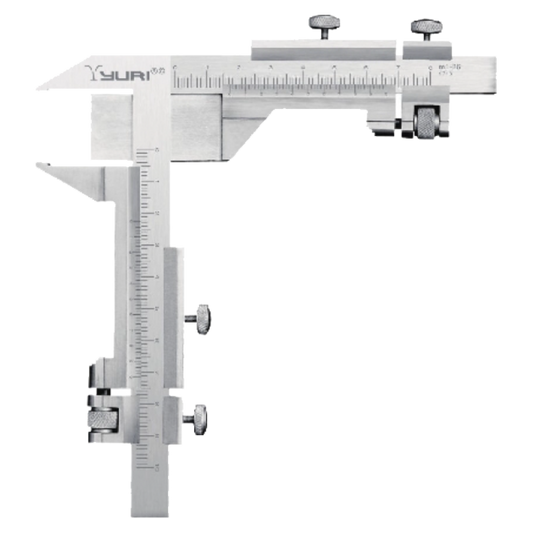
Yuri Caliper For Measuring The Thickness Of Gear Teeth
Regular price Rs. 0.00Regular priceUnit price per
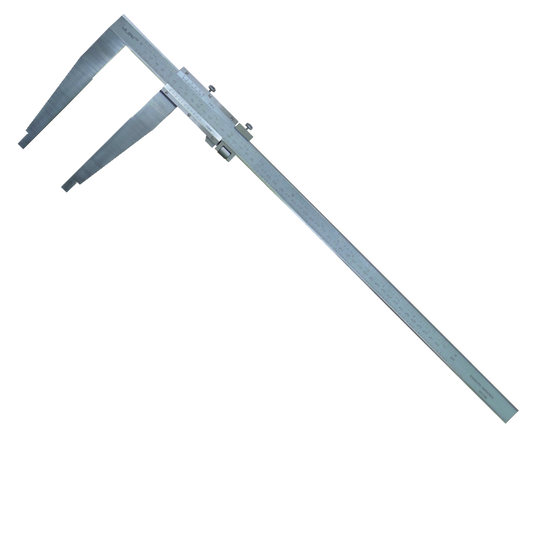
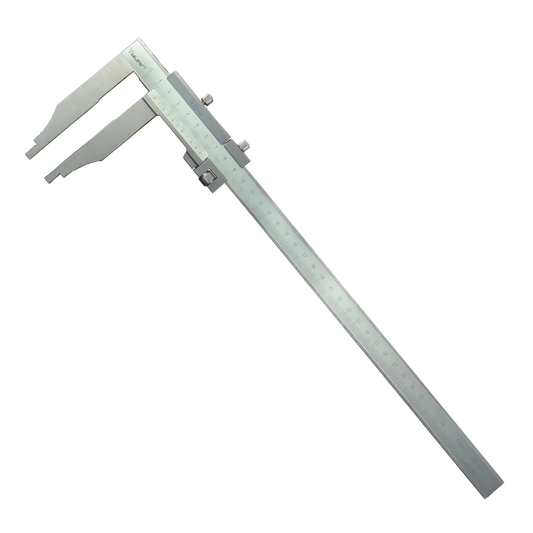
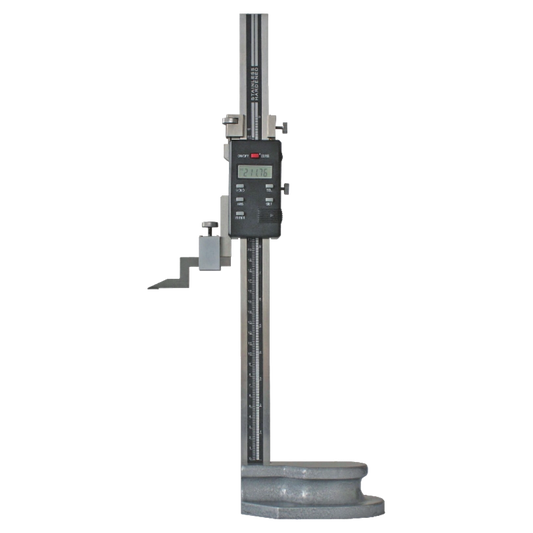
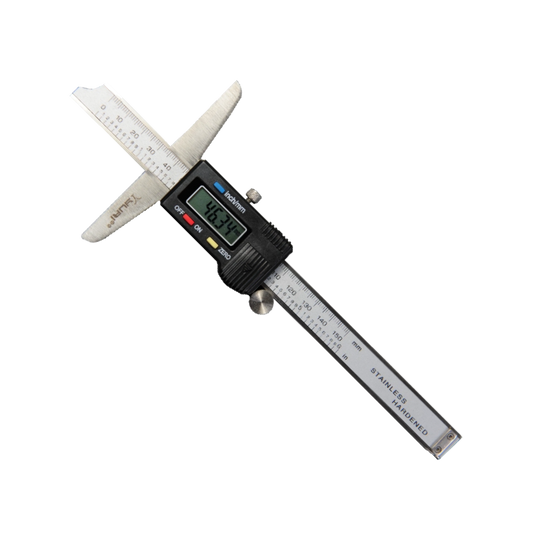
Calipers for Accurate Measuring in Workshop and Site Work
Calipers may look like a small measuring tool, but in daily workshop work they can make a big difference. When a cut, bore, groove, shaft, pipe, plate, or machined part has to fit correctly, guessing the size is not enough. A caliper helps the user check the actual measurement before the job moves ahead, which saves time, reduces material waste, and avoids rework.
Yuri calipers are useful for technicians, machine operators, fabricators, maintenance teams, carpenters, tool rooms, garages, and industrial users who need dependable measurement for everyday tasks. Whether the job involves checking outside diameter, inside diameter, depth, or step measurement, a good caliper gives the worker better control over the final result.
Why Calipers Are Useful
In real working conditions, many small mistakes happen because measurements are taken too quickly or with the wrong tool. A ruler can help with basic checking, but it cannot always measure narrow gaps, round parts, holes, slots, or internal dimensions properly. That is where calipers become more practical.
For example, if a worker has to check the thickness of a metal sheet, the diameter of a pipe, the size of a drilled hole, or the depth of a recess, a caliper gives a cleaner and more useful reading. This helps the person decide whether the material is ready for the next step or needs more work.
- Checking outer and inner diameters
- Measuring sheet thickness and plate size
- Checking hole size after drilling
- Measuring slots, grooves, and small gaps
- Inspecting parts after cutting, grinding, or machining
- Supporting fitting, assembly, and repair work
Where Calipers Help in Daily Work
Calipers are used wherever accuracy matters. In a fabrication unit, they help check metal parts before welding or fitting. In a machine shop, they are useful for checking turned components, shafts, bushes, and small mechanical parts. In a garage, they can help measure brake parts, fasteners, washers, bearings, and other repair items.
For construction and installation teams, calipers are helpful when checking material thickness, pipe size, bracket fitting, and hardware compatibility. In woodworking or furniture work, they can be used to measure panels, fittings, dowels, channels, and other small components where a normal tape measure may not give enough detail.
Many users also keep a caliper near cutting and finishing tools. After using an angle grinders for trimming, grinding, or shaping a part, a caliper helps confirm whether the material has reached the required size before the next process begins.
Choosing the Right Caliper
The right caliper depends on how and where it will be used. Some users need a simple tool for occasional checking, while others need a more precise measuring instrument for regular workshop work. Before choosing, think about the type of materials you measure, how often the tool will be used, and whether the reading needs to be quick and easy for different workers.
A caliper should feel comfortable in the hand and slide smoothly without being loose. The jaws should meet properly, the scale should be easy to read, and the body should be strong enough for regular handling. In busy work areas, a durable build matters because measuring tools are often used throughout the day and may be handled by different workers.
Quick Selection Guide
| Work Requirement | What to Check | Why It Matters |
|---|---|---|
| General workshop use | Smooth jaw movement and clear scale | Makes daily measuring easier and faster |
| Metal fabrication | Strong body and accurate reading | Helps avoid wrong cuts and poor fitting |
| Machine shop work | Fine measurement control | Supports closer inspection of machined parts |
| Repair and maintenance | Easy handling and quick reading | Useful for checking different small parts |
Calipers for Fabrication, Repair, and Finishing Work
A caliper is not only used before the work starts. It is just as useful after cutting, drilling, sanding, or grinding. Workers often measure a part several times during the job to make sure the final size is moving in the right direction. This is especially useful when removing small amounts of material, because once too much material is removed, it is difficult to correct the mistake.
In fabrication and finishing work, measurement and tool choice go together. The caliper helps confirm the size, while the right cutting or finishing accessory helps achieve the result. When workers use abrasives for shaping, cleaning, or finishing surfaces, checking the part with a caliper helps keep the work more controlled and consistent.
Useful for Cordless and On-Site Workflows
Not every measuring job happens inside a clean workshop. Many workers measure parts on sites, at installation points, inside service areas, or near machines that cannot be moved. A compact caliper is easy to carry and can be kept in a tool kit for quick checking whenever needed.
This becomes even more useful for teams that already work with cordless power tools, because the whole workflow becomes more mobile. A technician can drill, fasten, cut, or adjust a part at the site and then quickly measure it before moving to the next task.
Who Can Use Yuri Calipers?
Yuri calipers are practical for both professional and workshop users. They are useful for people who do not want to rely only on visual checking and rough measurement. A simple measurement taken at the right time can prevent the same mistake from repeating across multiple parts.
- Fabrication workshops
- Machine shops and tool rooms
- Automotive repair garages
- Maintenance departments
- Construction and installation teams
- Carpenters and furniture workers
- Industrial inspection users
- DIY users who want better accuracy
Care and Handling Tips
A caliper gives better results when it is handled with care. Keep the measuring faces clean and avoid dropping the tool on hard surfaces. Dust, metal chips, moisture, and rough handling can affect accuracy over time. After using the caliper, wipe it with a clean cloth and store it in a safe place.
- Clean the jaws before taking measurements
- Do not force the sliding scale
- Avoid using the caliper as a marking or prying tool
- Keep it away from moisture and heavy dust when not in use
- Check zero alignment before important measurements
- Store it safely after work to protect the jaws and scale
FAQs
What are calipers used for?
Calipers are used to measure outside diameter, inside diameter, depth, thickness, gaps, grooves, and small parts where a normal scale or tape measure may not be accurate enough.
Can calipers be used in metal workshops?
Yes. Calipers are commonly used in metal workshops for checking sheet thickness, shaft size, drilled holes, cut parts, machined components, and fabrication work.
Are calipers useful for repair work?
Yes. They are very useful in repair and maintenance work because they help check small parts, fasteners, pipes, fittings, washers, and replacement components before installation.
How should I maintain a caliper?
Keep the tool clean, avoid drops, do not force the slide, check zero before use, and store it safely after work.
Why should workshops use calipers instead of rough measurement?
Rough measurement can lead to wrong fitting, material waste, and repeated corrections. Calipers help confirm the actual size before the job moves forward.
Explore Yuri Calipers
Yuri calipers are made for users who want better accuracy in everyday measuring work. From fabrication and repair to installation and inspection, they help workers check sizes with more confidence before cutting, fitting, finishing, or assembling parts.
For any workshop or site team that works with tools, materials, and small components, a reliable caliper is one of those simple items that quietly improves the quality of the final job. It keeps the work practical, measured, and easier to control.