
-
Dayuri DA - DG5016 800W 25mm Die Grinder
Regular price Rs. 0.00Regular priceUnit price per -
Yuri Tools YR-953 850W 110mm Cordless Angle Grinder
Regular price Rs. 0.00Regular priceUnit price per -
Yuri YR-AG1005 1500W 125mm Angle Grinder
Regular price Rs. 0.00Regular priceUnit price per -
Yuri YR-AG1002 950W 100mm Angle Grinder
Regular price Rs. 0.00Regular priceUnit price per -
Dayuri Tools YSS125B 710W 125mm Straight Grinder
Regular price Rs. 0.00Regular priceUnit price per -
Yuri YR-AG1001 1100W 100mm Angle Grinder
Regular price Rs. 0.00Regular priceUnit price per -
Yuri YR-AG901 1050W 100mm Angle Grinder
Regular price Rs. 0.00Regular priceUnit price per -
Yuri YR-AG801 950W 100mm Angle Grinder
Regular price Rs. 0.00Regular priceUnit price per


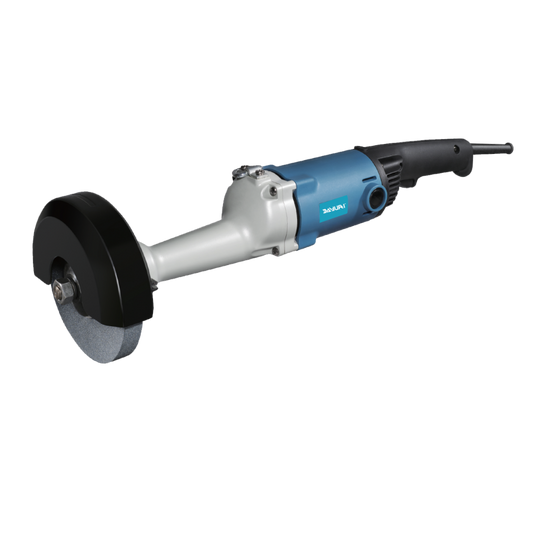
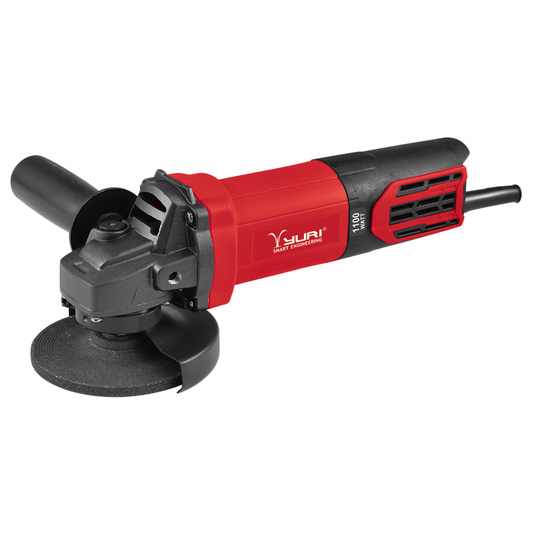
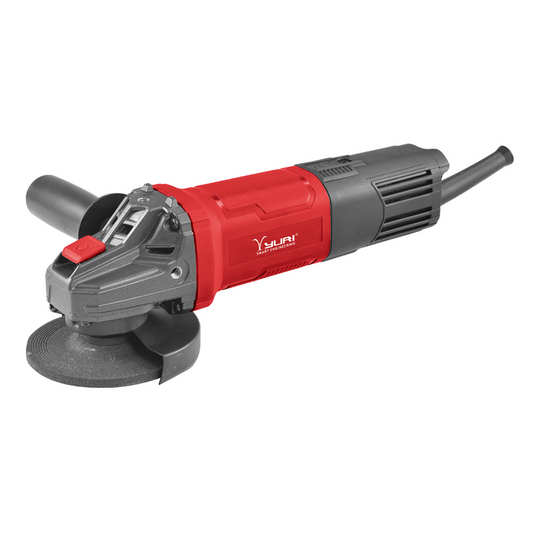
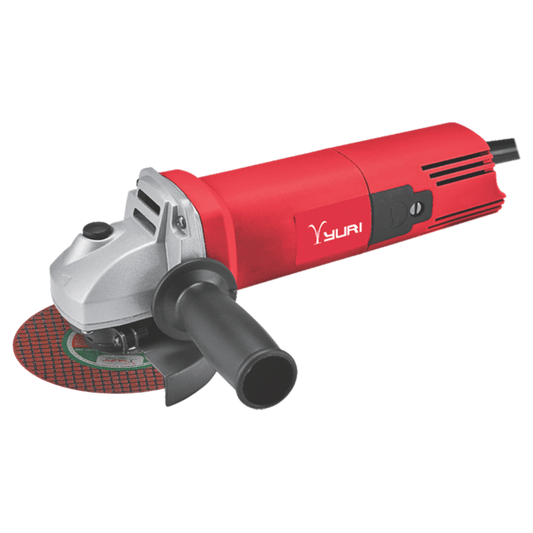
Grinding Tools Built for Everyday Workshop and Industrial Finishing Work
Grinding is one of those jobs that looks simple from the outside, but anyone who works with metal, fabrication, repair, or surface finishing knows how much the right tool matters. A good grinding setup helps remove extra material, smooth rough edges, clean weld marks, prepare surfaces, and bring better control to day to day workshop tasks.
Yuri grinding tools are made for users who need practical performance on real job sites and in busy Indian workshops. Whether the work involves small repair jobs, fabrication units, maintenance teams, construction support, or industrial finishing, the right grinding machine can save time and give a cleaner result with less effort.
This collection is useful for buyers who want dependable tools for regular grinding work, surface correction, edge cleaning, polishing preparation, and finishing. The focus is simple. The machine should feel steady in hand, perform consistently, and support daily work without making the user struggle with poor balance or weak output.
Why Grinding Tools Matter in Daily Work
In many workshops, grinding happens almost every day. A metal part may need cleaning before welding. A welded joint may need smoothing after fabrication. A rough edge may need to be removed before the final fitting. In maintenance work, old paint, rust, burrs, and uneven surfaces often have to be cleared before repair can continue.
This is why grinding tools are not just optional accessories. They help workers keep the job moving. When the machine is comfortable and the correct wheel or disc is selected, the work becomes faster, cleaner, and easier to control. Poor tool selection, on the other hand, can lead to slow work, uneven finishing, extra hand pressure, and more fatigue during long shifts.
For Indian users, this matters even more because machines are often used in dusty spaces, small shops, metal yards, repair garages, fabrication sheds, and outdoor work areas. A tool that performs well only in ideal conditions is not enough. The machine needs to handle regular use, different materials, and practical working conditions.
- Removing burrs from metal edges
- Cleaning welded joints after fabrication
- Preparing surfaces before painting or coating
- Smoothing rough material after cutting
- Rust removal and basic surface correction
- Maintenance and repair work in workshops
- Industrial finishing where control and consistency matter
Where Yuri Grinding Tools Are Useful
For users who handle both hole making and finishing work, pairing grinding tools with a reliable drilling machine can make the workflow much smoother. Drilling prepares the hole or opening, while grinding helps clean edges, remove sharp points, and prepare the surrounding surface for fitting or finishing.
This kind of tool pairing is common in fabrication shops, metal repair units, installation work, and maintenance teams. One tool does not replace the other. Instead, each machine supports a different stage of the job. When chosen properly, they reduce rework and help the final output look cleaner.
Grinding tools can be used on different surfaces depending on the machine, wheel, disc, and application. For metalwork, they help remove excess material and smooth edges. For repair work, they can clean old surfaces before replacement or fitting. For finishing tasks, they help prepare the surface before the final polish or coating stage.
Choosing the Right Grinding Machine
The right grinding machine depends on the type of work, material, usage frequency, and comfort needed by the worker. A light user may need a compact tool for occasional surface cleaning. A fabrication shop may need a more powerful machine that can run through regular grinding, deburring, and finishing tasks. An industrial user may need a heavy duty grinding machine that can support longer working hours and tougher applications.
Power is important, but it should not be the only thing you check. Grip comfort, tool weight, speed control, wheel compatibility, vibration level, and build quality also matter. A machine that feels too heavy or poorly balanced may slow the worker down, especially when used for many hours.
A good grinding tool should allow the user to work with control. It should not force the worker to apply too much pressure. The wheel or disc should do the work, while the user guides the machine with a steady hand. This gives better finishing and also helps protect the accessory from wearing out too quickly.
Quick Selection Guide
| Work Type | What to Check | Why It Matters |
|---|---|---|
| Light repair work | Compact size and easy grip | Helps with quick handling and smaller jobs |
| Fabrication work | Power, wheel support, and durability | Useful for repeated edge cleaning and weld finishing |
| Industrial grinding | Strong motor and stable build | Supports tougher workloads and longer use |
| Finishing preparation | Control and accessory match | Improves surface quality before polishing or coating |
Grinding, Die Grinding, and Sanding Work
Grinding is generally used when material removal, weld cleaning, or edge correction is needed. But not every finishing task is the same. Some jobs need better reach in narrow areas. Some need smoother surface preparation. Some need controlled finishing before painting, polishing, or coating.
For internal corners, small channels, tight edges, and more detailed finishing work, many professionals also keep a die grinder machine in their setup. It is especially useful when a normal grinding tool is too large to reach the required area.
Sanding work has a different role. It is usually preferred when the aim is surface preparation, smoother finishing, or controlled material refinement instead of heavy removal. This is common in woodwork, metal finishing, paint preparation, and workshop maintenance.
For users who handle finishing after grinding, a suitable sanding machine can help achieve a smoother surface before the final stage. This makes the work look cleaner and reduces the need for repeated manual effort.
Together, grinding, die grinding, and sanding tools help complete different stages of surface work. A worker may use one tool for cutting cleanup, another for tight spaces, and another for final surface preparation. This is why choosing tools by application is always better than buying only by price or machine size.
Who Can Use Yuri Grinding Tools?
- Metal fabrication workshops
- Welding and repair units
- Construction and site teams
- Automotive workshops
- Maintenance technicians
- Industrial users
- Furniture and metal fitting teams
- DIY users who need stronger tools for home or shop work
Yuri grinding tools are useful for both regular workshop users and professionals who need tools for repeated job site work. The right model can help improve working speed, reduce surface preparation time, and give better control during finishing tasks.
Safety and Use Tips for Grinding Work
Grinding work should always be done with care. A rotating wheel or disc can remove material quickly, but it also needs proper handling. The user should never work without eye protection, gloves, and suitable safety gear. The accessory should match the machine rating and material type. A cracked, chipped, or worn out wheel should never be used.
- Always check the wheel or disc before use
- Use the right accessory for the material
- Do not apply unnecessary pressure while grinding
- Keep both hands steady when the job needs more control
- Allow the tool to reach proper speed before touching the surface
- Keep sparks away from flammable material
- Clean the machine after use and store it in a dry place
Small safety habits make a big difference in daily work. They protect the user, improve tool life, and help maintain better finishing quality. Even experienced workers should check the tool and accessory before starting, especially when the machine is used by different people in the same workshop.
FAQs
What is a grinding machine used for?
A grinding machine is used for removing extra material, cleaning edges, smoothing surfaces, removing burrs, and preparing metal or other surfaces for finishing.
Can grinding tools be used in fabrication work?
Yes. Grinding tools are commonly used in fabrication shops for weld cleaning, edge finishing, surface correction, and preparing parts after cutting.
How do I choose the right grinding tool?
Choose based on the material, workload, machine power, grip comfort, wheel compatibility, and how often the tool will be used.
Is a heavy duty grinding machine needed for all users?
No. A heavy duty grinding machine is better for regular and demanding work. For light repair jobs, a smaller tool may be enough.
How can I get better finishing while grinding?
Use the correct accessory, avoid too much pressure, keep a steady hand, and choose the right tool for the stage of work.
Explore Yuri Grinding Tools
Yuri grinding tools are built for users who need dependable support for daily surface preparation, metal finishing, repair, and workshop tasks. The collection is suitable for fabricators, maintenance teams, contractors, and industrial users who want practical tools that can handle real working conditions.
Whether the job involves cleaning welds, smoothing sharp edges, correcting rough surfaces, or preparing material for the next step, Yuri grinding tools help users work with better control and confidence. When selected properly and used with the right accessory, they become a reliable part of any professional workshop setup.