
-
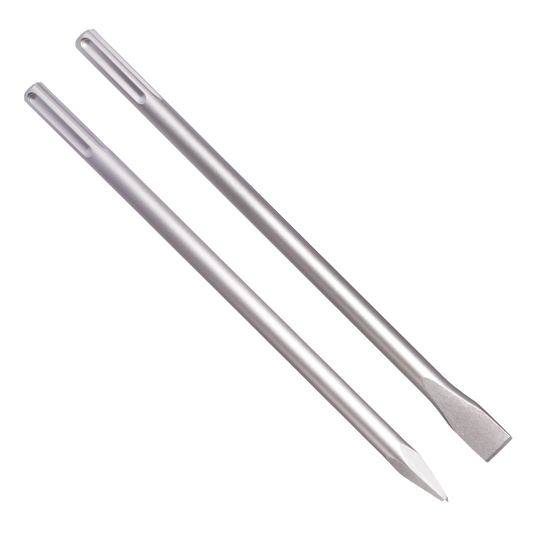
Yuri Tools SDS Plus Round Body Chisel
Regular price Rs. 0.00Regular priceUnit price per -
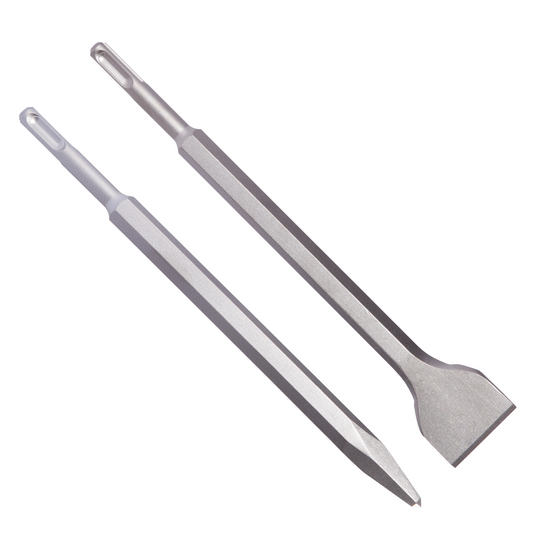
Yuri Tools SDS Plus Hex Body Chisel 14x250mm Point/Flat
Regular price Rs. 0.00Regular priceUnit price per -
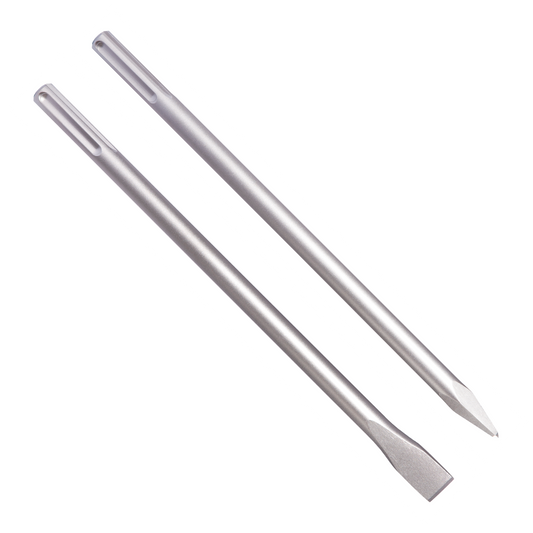
Yuri Tools SDS Max Chisel 18x280-600mm Point/Flat
Regular price Rs. 0.00Regular priceUnit price per -
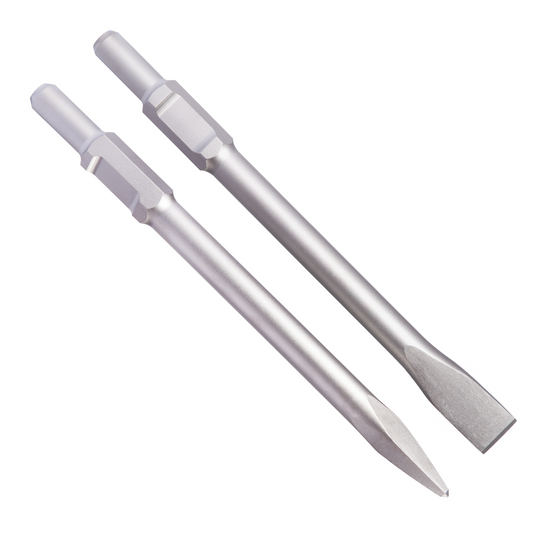
Yuri Tools PH65 Round Body Chisel 30x410-610mm
Regular price Rs. 0.00Regular priceUnit price per -
Yuri Tools Hex Shank Chisel 17x280mm Point/Flat
Regular price Rs. 0.00Regular priceUnit price per
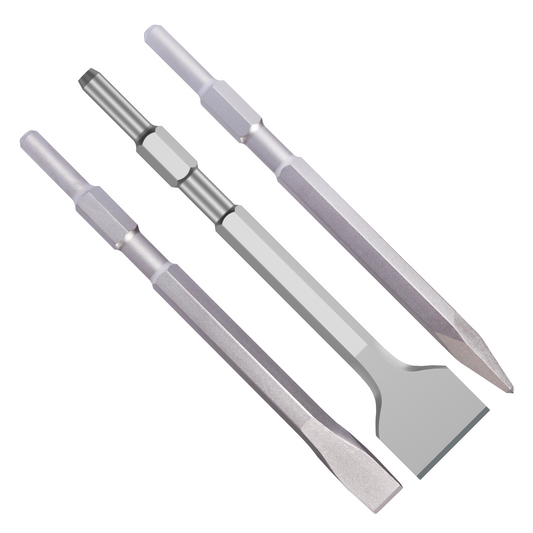
Chisel Tools Built for Tough Breaking, Cutting, and Site Work
A chisel may look like a simple tool, but anyone who works on concrete, masonry, tiles, metal, or repair jobs knows how much difference the right chisel can make. It helps break, shape, chip, clean, cut, and remove material with better control. On Indian job sites, where workers often deal with hard concrete patches, old plaster, rusted metal, stone edges, and repair work in tight corners, a strong chisel becomes one of those tools that quietly does a lot of heavy work.
Yuri chisels are made for practical daily use. They are useful for contractors, fabricators, masons, plumbers, electricians, maintenance teams, and workshop users who need a dependable tool for repeated impact work. The aim is simple: give the worker a tool that feels strong in hand, performs steadily, and handles rough working conditions without making the job harder than it already is.
Why Chisel Tools Are Useful
A chisel is used where normal hand tools or cutting tools cannot give the same controlled force. It helps remove unwanted material little by little, which is especially useful during repair or adjustment work. For example, when a worker needs to remove old cement around a fitting, clean a groove, break a small section of concrete, or trim an uneven edge, a chisel gives better control than using a large cutting machine for every small job.
This is why chisels are still common in workshops and construction sites. They are simple to use, easy to carry, and suitable for many small but important tasks. A good chisel saves time because the worker can handle corrections and finishing work on the spot instead of changing tools again and again.
- Breaking small concrete or masonry sections
- Removing old plaster, tiles, or cement patches
- Chipping hard edges during repair work
- Cleaning grooves and tight spaces
- Supporting wall repair and renovation work
- Removing burrs or unwanted material from metal surfaces
- Finishing small site-level correction jobs
Why Choose Yuri Chisels
Yuri chisel tools are designed for people who use tools regularly, not just once in a while. In real work, a chisel has to deal with repeated hammering, pressure, dust, and rough handling. If the material is weak or the shape is not practical, the tool can wear out quickly or become difficult to control.
Yuri focuses on strength, usable design, and dependable performance. The tool should not feel too delicate for site work. It should help the worker apply force properly and keep the edge stable for the intended job. This matters a lot when the same tool is used throughout the day for breaking, cutting, cleaning, and adjustment work.
- Strong build for regular site and workshop use
- Practical shape for controlled impact work
- Useful for concrete, masonry, metal, and repair tasks
- Reliable option for contractors and maintenance teams
- Easy to carry and use for quick correction jobs
- Suitable for Indian working conditions where dust and rough surfaces are common
Where Yuri Chisels Can Be Used
Chisels are not limited to one type of work. In construction, they are used for concrete patch removal, masonry correction, wall opening support, and tile removal. In fabrication and repair shops, they can help with surface cleaning, edge correction, and small metal adjustment jobs. For plumbers and electricians, a chisel is useful when small portions of wall or cement need to be cleared before fitting pipes, boxes, brackets, or clamps.
In many cases, chisel work is done before or after machine work. For example, a worker may use cutting equipment to open a section, then use a chisel to clean the edges neatly. During metal repair or surface preparation, workers may also use a metal grinding wheel later for smoother finishing, especially when the job involves shaping or cleaning hard metal surfaces.
- Construction and renovation work
- Concrete and masonry correction
- Tile removal and plaster cleaning
- Electrical box and conduit fitting support
- Plumbing line adjustment work
- Workshop repair and maintenance
- Metal edge cleaning and rough shaping
Choosing the Right Chisel for the Job
The right chisel depends on the material and the type of work. A pointed chisel is useful when the worker needs to concentrate force on a smaller area. A flat chisel is better for removing material from a wider surface, such as plaster, tile backing, or uneven cement. Wider chisels are useful for scraping and surface removal, while narrow chisels are better for corners and tighter sections.
Before selecting a chisel, think about the job first. Are you breaking concrete, cleaning a groove, removing tiles, shaping metal, or doing small repair work? A chisel should match the surface and the force required. Using the wrong chisel can slow down the job and may damage the tool or the surface.
Simple Selection Guide
| Work Type | Recommended Chisel Use | Helpful Note |
|---|---|---|
| Concrete patch work | Pointed or flat chisel | Use controlled force instead of rushing the break |
| Tile or plaster removal | Flat chisel | Keep the angle low for cleaner removal |
| Wall fitting work | Narrow chisel | Useful for corners, grooves, and small adjustments |
| Metal cleaning support | Flat or strong edge chisel | Finish with a suitable grinding accessory if needed |
Chisel Work and Finishing Accessories
A chisel often starts the job, but finishing may need the right abrasive or grinding accessory. If the surface is metal and needs cleaning, shaping, or edge finishing, many workers use GC wheels or other abrasive options depending on the material. A good abrasive GC wheel can help improve the finish after rough correction work, especially when the surface needs more control than aggressive cutting.
Similarly, DC wheels and a suitable dc wheel can be useful when the work moves from manual correction to grinding or finishing. The chisel removes or breaks the unwanted part, while the finishing wheel helps make the surface more usable. This combination is common in fabrication, repair, construction maintenance, and site-level adjustment work.
For wall cutting and groove-making work, chisels may also be used alongside a wall chaser machine. A wall chasing machine helps create cleaner lines for electrical and plumbing routes, while a chisel helps clean corners, remove loose material, and correct smaller areas where the machine cannot reach properly.
Who Can Use Yuri Chisels?
Yuri chisels are useful for a wide range of users. They are suitable for professionals who handle daily site work as well as workshops that need dependable tools for repair and maintenance. Even a DIY user can keep a chisel handy for small home repair tasks, but the tool is especially valuable for people who work with concrete, masonry, and metal regularly.
- Construction contractors
- Masons and renovation workers
- Electricians and plumbers
- Fabricators and metal workers
- Tile and flooring workers
- Maintenance technicians
- Workshop repair teams
- Home repair and DIY users
Safety and Maintenance Tips
Chisel work looks simple, but safety matters. Small chips of concrete, plaster, tile, or metal can fly while hammering. Always wear eye protection and gloves. Hold the chisel firmly and keep your hand away from the striking area. If the chisel head, handle area, or edge is damaged, avoid using it until it is checked or replaced.
After use, clean the tool properly and store it in a dry place. Dust, moisture, and careless storage can reduce tool life. If the chisel is used on metal or masonry frequently, inspect the edge from time to time. A well-maintained chisel works better, feels safer, and lasts longer.
- Wear safety glasses and gloves during use
- Use the correct chisel type for the material
- Do not strike a damaged chisel
- Keep hands clear of the hammering area
- Avoid using excessive force on delicate surfaces
- Clean the tool after work
- Store chisels in a dry toolbox or rack
FAQs
What is a chisel used for?
A chisel is used for breaking, cutting, chipping, shaping, and removing material from surfaces such as concrete, masonry, plaster, tile, wood, or metal, depending on the chisel type.
Can a chisel be used on concrete?
Yes, a strong chisel can be used on concrete for small breaking, edge cleaning, and repair work. For bigger jobs, it should be paired with the right machine or hammering tool.
Which chisel is better for tile removal?
A flat chisel is usually better for tile removal because it can slide under the tile and help lift or break the adhesive layer more evenly.
Do I need grinding wheels after chisel work?
In metal jobs, grinding wheels may be needed after chisel work to clean the surface, smooth edges, or prepare the part for finishing.
Can I buy GC wheels online for finishing work?
Yes, users who need finishing support after cutting, grinding, or chisel work can buy GC wheels online from the relevant Yuri collection based on the application and material.
Explore Yuri Chisel Tools
Yuri chisel tools are built for users who need strength, control, and reliability during everyday site and workshop work. From concrete patch removal to wall correction, tile cleaning, metal adjustment, and maintenance jobs, a good chisel helps workers handle tough tasks with better accuracy.
For contractors, technicians, fabricators, and repair teams, Yuri chisels offer a practical choice for regular use. They are simple tools, but when the quality is right, they can make hard work feel more controlled, cleaner, and easier to manage.