
-
Yuri Tools Guide Bar 16-22 Inch with 3/8LP & .325 Pitch
Regular price Rs. 0.00Regular priceUnit price per
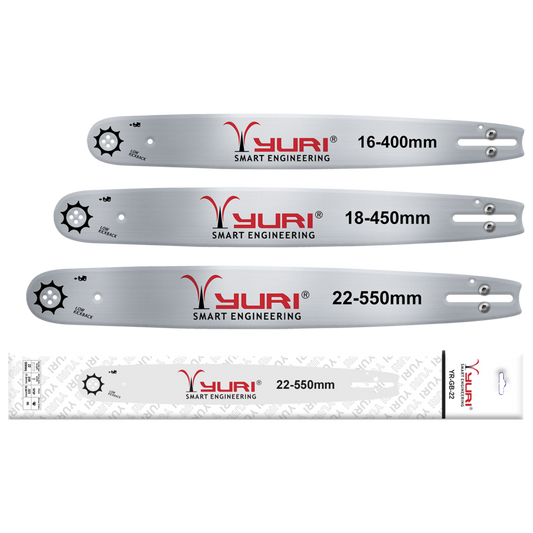
Yuri Guide Bars Built for Smooth and Reliable Chain Cutting
A guide bar may look like a simple part of a chainsaw, but anyone who works with wood cutting knows how important it really is. It supports the chain, keeps the movement steady, and helps the operator cut with better control. When the guide bar is not straight, not matched properly, or worn out from the rails, even a powerful chainsaw can start cutting unevenly.
Yuri guide bars are made for users who need dependable performance in regular cutting work. Whether the job is farm cutting, pruning, log cutting, garden maintenance, or general field use, the right guide bar helps the chain run smoothly and keeps the tool easier to handle. For Indian users who often work in dusty outdoor conditions, a strong and well-matched guide bar can make a clear difference in both cutting speed and tool life.
Why Guide Bars Matter in Cutting Work
The guide bar gives the chainsaw chain its path. When the bar is in good condition, the chain moves cleanly around the tip and cuts through wood with less resistance. When the bar is damaged, bent, overheated, or unevenly worn, the chain can slip, pull to one side, or create rough cuts. This does not only slow down the work, it also puts extra load on the motor, chain, sprocket, and the person using the machine.
This is why professionals and regular users should not treat guide bars as a small accessory. A good guide bar improves control, supports safer cutting, and helps the chainsaw perform closer to its actual capacity. In daily work, this means fewer interruptions, cleaner cutting movement, and less struggle while handling thick branches, firewood, logs, or farm waste.
- Helps the chainsaw chain move in a controlled path
- Supports smoother cutting through wood and branches
- Reduces unnecessary load on the chainsaw when used correctly
- Improves cutting accuracy during pruning and log cutting
- Helps avoid chain wobbling, uneven cuts, and rough movement
- Makes regular cutting work easier for farm, garden, and outdoor users
Why Choose Yuri Guide Bars
Yuri guide bars are designed for people who need practical tools for real working conditions. Many users do not work in clean indoor workshops. They work in farms, gardens, roadside areas, timber yards, and open sites where dust, wood chips, heat, and long working hours are common. In these conditions, the guide bar should feel stable, strong, and easy to maintain.
A reliable guide bar should match the chainsaw properly and support steady chain movement. If the fit is poor, the chain may not run cleanly and the user may need to adjust the tool again and again. Yuri guide bars are made with this everyday usability in mind, so users can focus more on the cutting job and less on repeated tool issues.
For users who also handle metal work, fabrication support, or workshop maintenance alongside wood cutting jobs, Yuri also offers an angle grinder machine range that can support related cutting, grinding, and finishing tasks in the same work setup.
- Suitable for regular wood cutting and outdoor maintenance work
- Useful for farms, gardens, field teams, and repair users
- Built for steady chain support and practical handling
- Helps maintain better control during repeated cutting jobs
- A good fit for users who want dependable cutting accessories
Common Uses of Guide Bars
Guide bars are commonly used with chainsaws for cutting wood, tree branches, logs, and outdoor growth. Farmers may use them during seasonal clearing. Garden teams may use them for trimming and maintenance. Landowners may use them for cutting fallen branches after heavy rain or wind. In many small workshops and rural service setups, guide bars also become a regular replacement item because chainsaws are used heavily during the season.
The type of work decides how carefully the user should choose the guide bar. Light pruning may not need the same bar strength as regular log cutting. Farm and field work may need a bar that can handle dust and repeated chain movement. A user cutting dry wood, hard branches, or thicker logs should always make sure the chain and guide bar are in healthy condition before starting work.
- Tree branch cutting and pruning
- Farm and field clearing work
- Garden and landscape maintenance
- Firewood and log cutting
- Outdoor repair and cleanup tasks
- Seasonal agricultural cutting work
- Rural and semi-industrial maintenance jobs
How to Choose the Right Guide Bar
Choosing a guide bar is not only about picking a size that looks right. The bar should match the chainsaw model, chain pitch, chain gauge, and drive link count. If these details do not match, the chain may not sit properly on the bar. This can affect cutting performance and can also create safety risks.
The length of the guide bar should also match the type of work. A longer bar can help with thicker logs, but it may feel harder to control for lighter tasks. A shorter bar is easier to manage for pruning and smaller cutting jobs. Many users make the mistake of choosing the longest bar possible, but a balanced setup is usually better for daily use.
Before buying, check the chainsaw specifications, the current bar markings, and the chain details. If the old guide bar is wearing unevenly, also check the chain tension, lubrication, and sprocket condition. Sometimes a guide bar wears faster because the chain has been too tight, too loose, dry, or damaged.
- Match the guide bar with the chainsaw model
- Check the chain pitch, gauge, and drive link count
- Choose the bar length according to the cutting job
- Avoid using a bent, cracked, or badly worn guide bar
- Check chain lubrication before long cutting sessions
- Inspect the rails and tip area regularly
- Replace the guide bar when the chain no longer sits correctly
Guide Bar Care and Maintenance
A guide bar lasts longer when it is cleaned and checked regularly. After cutting, wood dust and chips can collect around the groove and oil holes. If these areas are blocked, the chain may not receive enough lubrication. A dry chain creates heat, and that heat can damage both the chain and the bar.
It is also useful to turn the guide bar from time to time, depending on the bar design and usage. This helps reduce uneven rail wear. The bar groove should be cleaned with a suitable tool, and the oil holes should be kept open. Users should also avoid forcing the chainsaw into the wood. Let the chain do the cutting instead of pushing the machine too hard.
In workshops where users inspect machine parts, alignment, and small movements, tools like dial test indicator units can also help with accurate checking work. This is useful for teams that maintain multiple tools and want better control over wear, run-out, and alignment-related issues.
- Clean the bar groove after cutting work
- Keep oil holes free from dust and chips
- Check the rails for uneven wear
- Do not run the chain without proper lubrication
- Avoid using a dull chain for long cutting work
- Store the chainsaw and guide bar in a dry place
- Replace worn parts before they affect safety or cutting quality
Guide Bars for Indian Working Conditions
Indian users often work in mixed conditions. One day the chainsaw may be used for dry branches, another day for farm clearing, and another time for garden maintenance. Dust, heat, uneven wood, and repeated starts and stops are common. In this kind of work, a guide bar should be practical, easy to maintain, and suited to regular use.
For contractors, farmers, garden workers, and repair teams, the main requirement is not only cutting speed. They also need control, tool life, and fewer breakdowns during work. A properly selected guide bar can help reduce chain problems and make cutting feel more predictable. It also helps new users handle the chainsaw with better confidence, especially when cutting branches or logs that are not perfectly straight.
For detailed workshop tasks such as cleaning small metal areas, shaping edges, or handling narrow grinding points, a die grinder machine can be useful alongside regular cutting and maintenance tools.
Who Can Use Yuri Guide Bars?
Yuri guide bars are suitable for people who work with chainsaws in regular outdoor, farm, garden, and maintenance tasks. They are useful for both professional users and serious home users who want a dependable replacement guide bar for smoother chain movement.
- Farmers and agricultural workers
- Garden and landscape maintenance teams
- Tree cutting and pruning workers
- Firewood cutting users
- Rural repair and service teams
- Contractors handling outdoor clearing work
- Home users with regular garden and land maintenance needs
Safety Tips While Using Guide Bars and Chainsaws
Chainsaw work should always be handled carefully. Even a good guide bar cannot make the job safe if the chain is loose, the bar is damaged, or the operator is rushing. Before starting work, check the chain tension, oil level, bar condition, and safety controls. Wear proper protection and keep both hands on the machine while cutting.
Never cut with a badly worn guide bar. If the chain jumps, pulls heavily, smokes, or cuts to one side, stop and check the setup. These signs usually mean something needs attention. It may be the chain, the guide bar, the sprocket, or lubrication. Fixing the issue early can prevent bigger damage and safer operation.
- Wear eye protection, gloves, and suitable footwear
- Check the chain tension before use
- Keep the chain properly lubricated
- Do not use a cracked or bent guide bar
- Avoid cutting above shoulder height
- Hold the chainsaw firmly with both hands
- Let the chain cut naturally instead of forcing the tool
- Stop work if the chain slips, smokes, or cuts unevenly
Quick Guide Bar Selection Table
| Work Type | What to Check | Helpful Tip |
|---|---|---|
| Light pruning | Shorter bar and correct chain fit | Choose easy control over extra length |
| Farm clearing | Bar condition, chain tension, lubrication | Clean the groove after dusty work |
| Log cutting | Bar length and chain sharpness | Avoid forcing the tool through hard wood |
| Regular maintenance use | Wear on rails and tip area | Replace worn parts before performance drops |
FAQs
What is a guide bar used for?
A guide bar supports the chainsaw chain and gives it a stable path while cutting wood, branches, logs, and outdoor growth.
When should I replace a guide bar?
Replace it if the rails are badly worn, the bar is bent, the chain does not sit properly, or the chainsaw starts cutting unevenly even after chain adjustment.
Can a worn guide bar damage the chainsaw?
Yes, a worn or damaged guide bar can put extra pressure on the chain, sprocket, and motor. It can also make the tool harder to control.
How do I maintain a guide bar?
Clean the groove, keep the oil holes open, check chain tension, use proper lubrication, and avoid working with a dull chain.
Is a longer guide bar always better?
No. A longer guide bar is useful for thicker wood, but it can feel harder to control. Choose the size based on the actual cutting work and chainsaw compatibility.
Explore Yuri Guide Bars
Yuri guide bars are made for users who want smoother chain movement, better cutting control, and dependable support during regular wood cutting work. Whether you are maintaining a farm, clearing branches, cutting logs, or handling outdoor repair tasks, choosing the right guide bar can make the chainsaw easier and safer to use.
For daily users, a guide bar is not just a replacement part. It is one of the parts that decides how cleanly the chain moves, how comfortably the machine cuts, and how confidently the operator works. With the right guide bar, proper chain tension, and regular maintenance, cutting work becomes more controlled and less tiring.