
-
Yuri YR - HG1182 Heat Gun
Regular price Rs. 0.00Regular priceUnit price per -
Yuri YR - HG1181 Heat Gun
Regular price Rs. 0.00Regular priceUnit price per

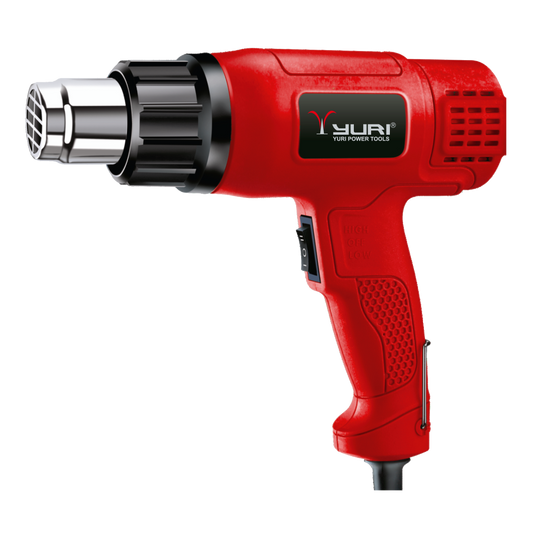
Heat Gun Machines for Everyday Workshop, Repair, and Site Work
A heat gun is one of those tools that looks simple at first, but once it becomes part of a workshop, it gets used again and again. From softening paint and loosening adhesives to shrink wrapping, bending plastic, drying surfaces, and small repair jobs, a good heat gun machine can save a lot of time in daily work. It gives controlled hot air where a naked flame would be risky or too harsh.
Yuri heat gun machines are made for users who need steady heating, comfortable handling, and practical performance on real job sites. Whether the work is happening inside a repair shop, on a construction site, in a fabrication area, or during installation work, the tool should feel easy to hold and reliable during repeated use. That is where a well-built electric heat gun becomes useful.
Why a Heat Gun Is Useful in Professional Work
Many heating jobs need control. If the temperature is too high, the material can burn. If the airflow is weak, the job takes too long. A heat gun gives the user better control over both heat and direction, which makes it suitable for different materials like plastic, rubber, vinyl, paint, adhesive, film, and light workshop surfaces.
For example, a painter may use a heat gun to soften old paint before scraping. An electrician may use it for heat shrink tubing. A packaging team may use it for shrink wrapping. A repair technician may use it to loosen stubborn stickers or soften glue. Small tasks like these may look minor, but they can slow down the whole job if the right tool is not available.
- Paint softening and surface preparation
- Shrink wrapping and heat shrink tubing
- Sticker, label, and adhesive removal
- Plastic bending and shaping work
- Drying damp surfaces before repair or finishing
- Loosening old glue, putty, and sealants
- General repair, maintenance, and installation jobs
- Workshop and industrial heating applications
Why Choose Yuri Heat Gun Machines
A heat gun should not only produce hot air. It should also feel safe, balanced, and easy to handle. When workers use a tool for long periods, small things matter, such as the grip shape, airflow control, switch placement, body weight, and the way the machine handles heat during continuous use.
Yuri heat gun machines are designed for practical users who need a dependable tool for regular heating tasks. The aim is to give controlled hot air without making the tool difficult to manage. This makes it suitable for contractors, workshops, maintenance teams, electricians, painters, packaging users, and repair professionals.
- Useful for workshop and site-level heating jobs
- Comfortable grip for better control
- Practical design for repeated daily use
- Suitable for different repair and finishing tasks
- Helpful for controlled heating without open flame
- Easy to carry and use in different work areas
Common Applications of a Heat Gun
A heat gun is often used in finishing and repair work, but its use goes beyond that. In electrical work, it helps shrink tubing around wires and joints. In painting work, it can soften old paint layers before scraping. In packaging, it helps shrink plastic film around products. In workshops, it can loosen stuck parts, soften adhesive, and prepare surfaces before the next step.
In field jobs, workers often use many types of machines together. For example, the same contractor who uses a heat gun for shrink wrapping or surface preparation may also use an earth auger machine for post holes, fencing, and outdoor foundation-related work. The tool category changes, but the need is the same: reliable machines that help finish work faster and with less effort.
Heat Gun for Paint Removal and Surface Preparation
One of the most common uses of a heat gun machine is paint removal. Old paint can become hard, uneven, or difficult to scrape. When hot air is applied carefully, the paint softens and becomes easier to remove. This can help reduce manual scraping effort, especially on doors, frames, metal pieces, furniture, and renovation surfaces.
The user still has to work carefully. Holding the heat gun too close to one area for too long can damage the surface. The better approach is to keep the tool moving, warm the paint gradually, and scrape in sections. This gives cleaner results and keeps the surface safer.
Heat Gun for Shrink Wrapping and Electrical Work
A heat gun is also useful for shrink wrapping and electrical insulation work. Heat shrink sleeves need even heating so they sit properly around wires, joints, and connectors. A controlled hot air gun makes this easier than using unsafe heating methods. It is also useful in packaging areas where plastic film needs to shrink neatly around boxes, product bundles, or finished goods.
For contractors working around farms, pumps, and outdoor installations, different tools often come together on the same site. A water pump machine may be needed for water movement, while the heat gun supports wiring, wrapping, sealing, or maintenance work. Having the right tool for each job helps the team avoid delays and rework.
Heat Gun for Plastic Bending, Adhesive Removal, and Repairs
Many users also keep a heat gun for small workshop jobs that come up without warning. A sticker may need to be removed from a metal panel. A plastic pipe or sheet may need light bending. A glue patch may need softening before cleaning. These jobs do not always need heavy machines, but they do need controlled heat.
In metal, fabrication, and finishing work, users may shift between different tool categories depending on the task. A die grinder machine is useful for detailed grinding, shaping, and finishing, while a heat gun helps with heating, loosening, softening, and surface preparation. When both tools are used for the right task, the overall workflow becomes much smoother.
How to Choose the Right Heat Gun
The right heat gun depends on the type of work you do most often. For occasional home repair, a basic model may be enough. For regular workshop or industrial use, it is better to choose a machine that feels stronger, offers stable heat, and can handle longer working periods. A professional heat gun should feel steady in hand and should not become uncomfortable too quickly.
Look at the heating requirement, airflow, grip comfort, and the kind of material you usually work on. Paint removal, shrink wrapping, plastic bending, adhesive softening, and repair jobs may all need slightly different handling. A tool that gives controlled airflow makes these jobs easier because the user can warm the material gradually instead of overheating it.
- Type of heating work required
- Material being heated, such as plastic, paint, film, rubber, or adhesive
- Comfort of the grip during longer jobs
- Airflow control and heating consistency
- Tool weight and ease of movement
- Suitability for workshop, site, or repair work
- Safety features and overall build quality
Who Can Use Yuri Heat Gun Machines?
- Painters and renovation workers
- Electricians and wiring technicians
- Packaging and shrink wrapping teams
- Repair and maintenance professionals
- Fabrication and finishing workshops
- Construction and installation workers
- DIY and home repair users
Safety and Maintenance Tips
A heat gun should always be handled with care because the air coming from the nozzle can become very hot. Avoid pointing it at your hand, clothing, wires, fuel, or any flammable material. Do not keep the tool focused on one spot for too long, especially on plastic, painted wood, or delicate surfaces.
After use, allow the tool to cool down before storing it. Keep the nozzle clean and avoid blocking the air vents. A clean tool runs better, lasts longer, and feels safer during daily use.
- Wear gloves and safety glasses while working
- Keep the nozzle away from skin and flammable materials
- Use the tool in a well-ventilated area
- Do not block the air vents during use
- Let the machine cool before storing it
- Avoid overheating one spot for too long
- Keep the tool clean after use
FAQs
What is a heat gun used for?
A heat gun is used for controlled heating jobs such as paint removal, shrink wrapping, adhesive softening, plastic bending, drying, and general repair work.
Can a heat gun remove old paint?
Yes, a heat gun can soften old paint so it becomes easier to scrape. It should be used carefully and moved slowly across the surface to avoid burning or damaging the material.
Is a heat gun useful for electrical work?
Yes, electricians often use a heat gun for heat shrink tubing and insulation work. It provides controlled hot air that helps shrink sleeves evenly around wires and connectors.
Can I use a heat gun on plastic?
Yes, but it must be used carefully. Plastic can soften, bend, or melt quickly if too much heat is applied in one place.
Is a heat gun safe for workshop use?
Yes, it is safe when used properly. Wear protection, keep the nozzle away from skin and flammable items, and allow the tool to cool before storage.
Explore Yuri Heat Gun Machines
Yuri heat gun machines are built for users who need a practical tool for heating, softening, drying, wrapping, and repair work. They are useful across workshops, construction sites, packaging areas, electrical jobs, and maintenance work. Whether you need a heat gun for paint removal, shrink wrapping, plastic bending, or regular site repairs, Yuri offers dependable machines made for everyday use.