
-
Yuri TCT Hole Saw (Hinge Boring Bit)
Regular price Rs. 0.00Regular priceUnit price per -
Dayuri TCT Hole Saw (Hinge Boring Bit)
Regular price Rs. 0.00Regular priceUnit price per -
Yuri Hole Saw Set
Regular price Rs. 0.00Regular priceUnit price per -
Yuri Hole Saw For Glass
Regular price Rs. 0.00Regular priceUnit price per -
Yuri Hole Saw For Concrete
Regular price Rs. 0.00Regular priceUnit price per


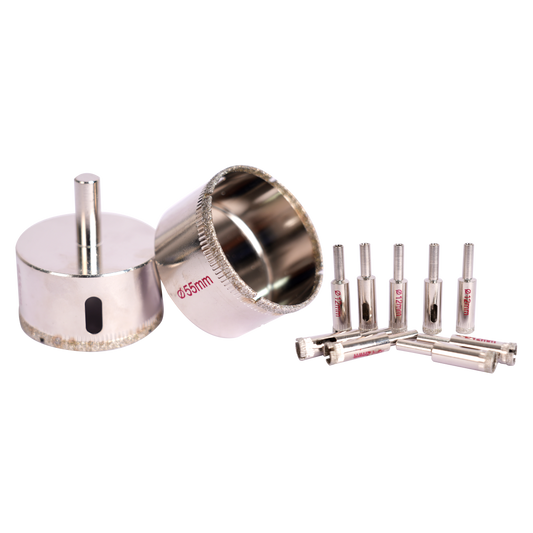
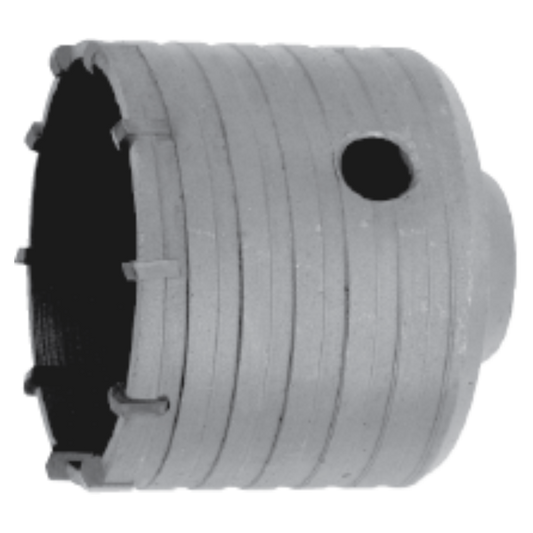
Hole Saw Tools for Clean and Accurate Round Cutting
A hole saw is one of those tools that looks simple until you actually need a clean, round cut. Whether the job is fitting pipes, passing wires through a panel, cutting openings in wood, or preparing a neat access hole in a board, the finish depends heavily on the quality of the cutter. A rough hole can waste material, slow down fitting work, and make the final installation look careless. A sharp and stable hole saw helps avoid that problem.
The Yuri Hole Saw collection is made for users who need practical cutting tools for everyday workshop, site, and installation work. These tools are useful for electricians, plumbers, carpenters, fabricators, furniture workers, maintenance teams, and contractors who regularly make circular openings in different materials. The main purpose is simple: get a clean hole, keep the cut controlled, and reduce unnecessary rework.
Why Hole Saws Are Useful in Daily Work
Many jobs need holes that are larger than what a normal drill bit can create. A hole saw solves this by cutting around the edge of the circle instead of removing the entire center like a regular bit. This makes it a smart choice for wider openings because it removes less material, reduces effort, and gives a neater result when used correctly.
In real site work, this matters a lot. An electrician may need clean openings for conduit or wiring. A plumber may need holes for pipe passages. A carpenter may need circular cutouts for furniture fittings, locks, cable ports, or hardware. In these tasks, the hole does not just have to be made, it has to be made in the right size and with proper control.
- Making round holes for pipes, wires, fittings, and cable access
- Cutting openings in wood, boards, plastic sheets, and light metal, depending on the type of hole saw
- Reducing rough edges when compared with poorly controlled manual cutting
- Saving time during repeated installation and repair work
- Helping workers maintain better finishing on visible surfaces
Why Choose Yuri Hole Saws
A good hole saw should cut steadily without shaking too much, losing teeth quickly, or burning the surface because of excess friction. Users working on Indian job sites often deal with long working hours, mixed materials, dust, and urgent deadlines. In that kind of environment, the tool should feel dependable and easy to use with the right drill machine.
Yuri hole saws are suitable for users who want a balance of cutting performance, practical design, and day-to-day usability. They are made for clean cutting, better control, and regular site use when matched with the right machine speed and material type. For professionals, this means fewer interruptions and a smoother workflow during drilling and installation work.
- Useful for clean circular cutting applications
- Suitable for workshop, fitting, and site-level jobs
- Helpful for electrical, plumbing, carpentry, and maintenance teams
- Designed for controlled cutting with the correct machine and speed
- Practical for repeated hole-making tasks in everyday work
Common Applications of Hole Saws
| User Type | Common Work | Why a Hole Saw Helps |
|---|---|---|
| Electricians | Cable entries, conduit openings, switch box preparation | Creates cleaner and more accurate circular cutouts |
| Plumbers | Pipe passage holes and fixture support work | Helps maintain the right hole size for fittings |
| Carpenters | Furniture holes, lock fittings, cable ports, board openings | Gives a neat finish on visible surfaces |
| Maintenance Teams | Repair, replacement, and modification tasks | Saves time during practical on-site work |
| Fabricators | Light panel openings and fitting adjustments | Supports controlled cutting when used with suitable material and speed |
Choosing the Right Hole Saw for the Job
Before selecting a hole saw, the first thing to check is the material. Wood, plastic, board, metal sheet, and masonry-related surfaces do not behave the same way while cutting. A hole saw that works well on wood may not be suitable for harder or more abrasive materials. Size is equally important. If the hole is too small, the fitting will not pass through. If it is too large, the finish may look loose and unprofessional.
Depth also matters. Some materials are thin and easy to cut, while others need a deeper cutting edge and slower handling. For cleaner results, workers should avoid rushing the cut. Let the teeth do the work, keep the machine steady, and clear dust or chips when needed. This keeps the cut cooler and helps improve the life of the tool.
- Check the material before choosing the hole saw
- Select the correct diameter for the fitting or opening
- Use a steady drilling speed instead of forcing the cut
- Keep the tool straight to avoid uneven holes
- Allow the cutter to cool during repeated cuts
- Use proper safety gear, especially when cutting overhead or on hard surfaces
How Hole Saws Fit Into Bigger Cutting Work
A hole saw is mainly used for round openings, but many workshops also need other cutting tools for larger or heavier jobs. For example, teams that cut branches, wooden logs, or outdoor wood sections may also require an electric chain saw machine when the work goes beyond small circular cutouts. This gives users a better tool match instead of trying to use one tool for every cutting task.
The same idea applies to stone, marble, and tile-related cutting. A hole saw may be useful for specific circular openings, but straight cutting or deeper surface cutting often needs a proper diamond saw blade that is made for tougher materials. Choosing the right tool for the right job helps improve finish, speed, and safety.
For wood shops, furniture units, and carpentry work, hole saws are often used along with saw blades for panel cutting and sizing work. When the task needs clean wood cutting beyond round holes, a tct circular saw blade can be a better choice for straight and repeated cuts. This way, each tool supports the part of the job it is actually built for.
Tips for Better Cutting Results
Good cutting is not only about the product. The way the tool is used also affects the final result. A hole saw should be aligned properly before starting. The pilot bit should sit firmly at the center point so the cutter does not wander. Once the cut starts, keep the pressure steady. Too much pressure can heat the tool, damage the teeth, or create a rough edge.
For thicker material, it can help to pause and remove dust or chips from the cut. This reduces friction and keeps the hole saw moving smoothly. If you are cutting visible surfaces, start carefully and avoid tilting the machine. A small mistake at the start can make the hole look uneven even if the size is correct.
- Mark the center point clearly before drilling
- Use the correct drill machine and attachment setup
- Keep both hands steady while cutting larger holes
- Do not force the cutter into the material
- Clear chips during deeper cuts
- Stop using the hole saw if teeth are damaged or worn out
Safety and Maintenance
Hole saws should always be used with care because the cutter rotates at speed and can catch if the tool is not held properly. Wear safety glasses to protect your eyes from dust and flying particles. Gloves can help with handling, but they should not be loose. Loose clothing, wires, or fabric near a rotating tool can be dangerous.
After use, clean the hole saw and store it in a dry place. Do not leave it mixed with heavy tools where the teeth can get damaged. If the hole saw becomes dull, cracked, or uneven, replace it instead of forcing it through the material. A worn tool not only gives poor results, it also makes the work less safe.
Who Can Use Yuri Hole Saws?
- Electricians and wiring teams
- Plumbers and pipe fitting workers
- Furniture makers and carpenters
- Interior installation teams
- Maintenance technicians
- Repair workshops
- Light fabrication workers
- DIY users handling home improvement jobs
FAQs
What is a hole saw used for?
A hole saw is used to make clean circular holes in materials such as wood, boards, plastic, and other suitable surfaces, depending on the type of cutter.
Can I use a hole saw with any drill machine?
It should be used with a compatible drill machine and the correct arbor or attachment. Always check size, speed, and material suitability before use.
How do I get a cleaner hole with a hole saw?
Mark the center point properly, keep the machine steady, avoid forcing the cut, and clear chips during deeper cutting.
Can a hole saw cut metal?
Some hole saws can cut metal sheets or light metal, but only when the cutter type is suitable for metal and used at the right speed.
When should I replace a hole saw?
Replace it when the teeth are worn, damaged, cracked, or when the tool starts creating rough holes even with correct handling.
Explore Yuri Hole Saw Tools
Yuri hole saw tools are made for users who want clean circular cutting support for fitting, repair, installation, and workshop work. Whether you are preparing openings for wires, pipes, fixtures, locks, or furniture fittings, the right hole saw can make the task faster and neater.
For professionals who work every day with different materials, choosing the right cutting tool is not a small detail. It affects finish, time, safety, and repeat work. Yuri offers practical tool options for users who want dependable performance across common workshop and site applications.