
-
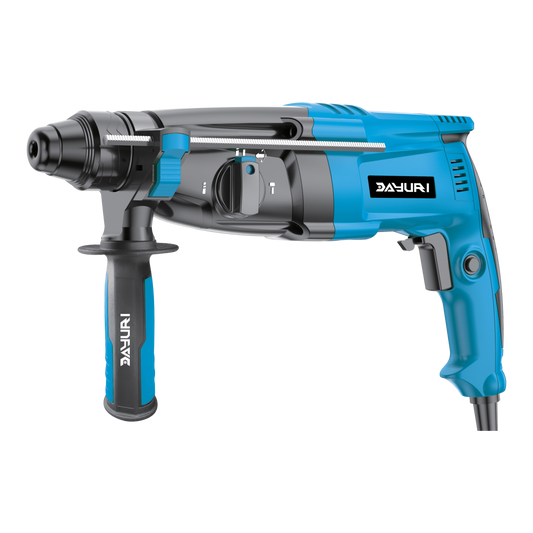
Dayuri DA - RH5039 3000W Φ26mm Rotary Hammer
Regular price Rs. 0.00Regular priceUnit price per -
Dayuri DA - RH5043 2200W 28mm Rotary Hammer
Regular price Rs. 0.00Regular priceUnit price per -
Dayuri DA - RH5042 2600W 28mm Rotary Hammer
Regular price Rs. 0.00Regular priceUnit price per -
Yuri YR - 960 Cordless 950W 1050 RPM Rotary Hammer
Regular price Rs. 0.00Regular priceUnit price per -
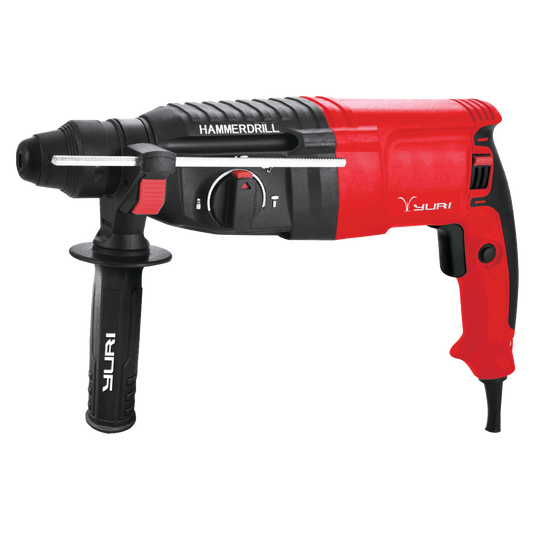
Yuri YR - RH1093 1600W 26mm Rotary Hammer
Regular price Rs. 0.00Regular priceUnit price per -
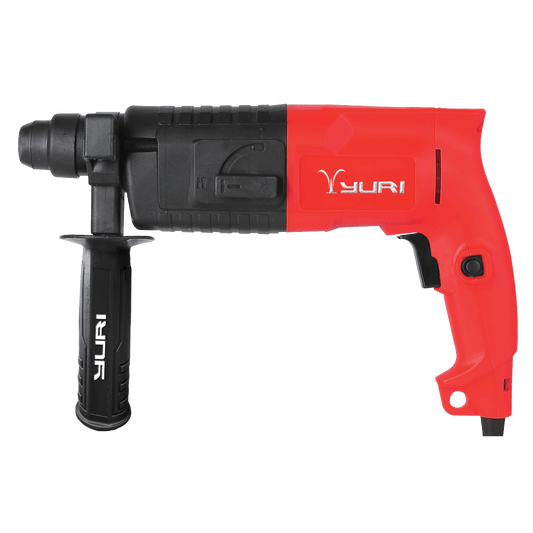
Yuri YR - RH1092 1300W 20mm Rotary Hammer
Regular price Rs. 0.00Regular priceUnit price per -
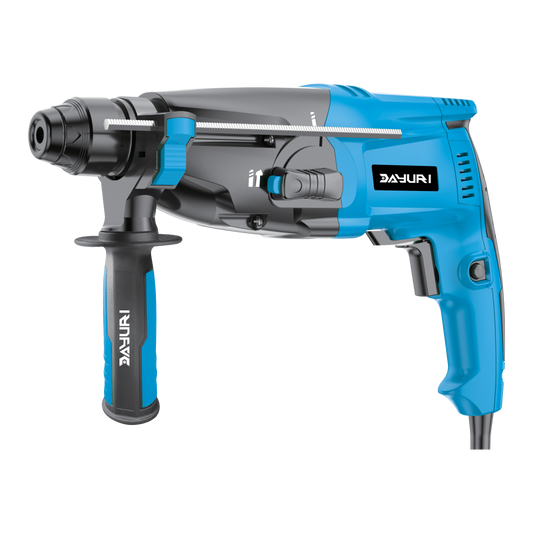
Dayuri DA - RH5041 1800W Φ26mm Rotary Hammer
Regular price Rs. 0.00Regular priceUnit price per -
Dayuri DA - RH5040 1500W Φ20mm Rotary Hammer
Regular price Rs. 0.00Regular priceUnit price per -
Yuri YR - RH1091 1200W 26mm Rotary Hammer
Regular price Rs. 0.00Regular priceUnit price per -
Yuri YR - RH1090 900W 20mm Rotary Hammer
Regular price Rs. 0.00Regular priceUnit price per


Rotary Hammer Machines Built for Tough Concrete and Masonry Drilling
A rotary hammer is the kind of tool people usually start appreciating only after they have worked on a hard wall for a few minutes. A regular drill can handle simple holes in wood, light metal, or soft masonry, but concrete, brick, stone, and old plaster need a stronger machine. That is where a rotary hammer machine becomes useful. It combines rotation with a stronger hammering action, so the bit does not just spin on the surface. It bites into the material with more force and keeps the work moving.
Yuri rotary hammer machines are made for workers who need dependable drilling support on construction sites, renovation projects, installation jobs, repair work, and workshop maintenance. The focus is simple: strong drilling performance, comfortable handling, and practical durability for everyday Indian working conditions. Whether you are making holes for anchors, drilling into concrete walls, removing small plaster patches, or doing repeated fitting work, the right rotary hammer drill can save time and reduce effort.
Why Rotary Hammer Machines Are Useful
Many job sites have one common problem: the surface is tougher than expected. A wall may look simple from outside, but once drilling starts, the machine may struggle because of dense concrete, old masonry, stone chips, or hidden reinforcement around the area. A rotary hammer drill machine is designed for these tougher moments. It gives more impact force than a basic impact drill, which helps users drill cleaner holes with better control.
For contractors, electricians, plumbers, interior teams, and maintenance workers, this makes a big difference. When there are twenty or thirty holes to make in one day, tool comfort and drilling speed matter. A good rotary hammer does not just make the work faster. It also helps reduce hand strain because the tool is doing more of the hard work.
- Drilling holes in concrete, brick, stone, and masonry
- Fixing anchors, wall plugs, brackets, and support fittings
- Electrical conduit and cable routing preparation
- Plumbing clamp and pipe support installation
- Light chiselling and surface correction work
- Renovation, repair, and site maintenance tasks
- Workshop and industrial drilling applications
Why Choose Yuri Rotary Hammer Machines
A rotary hammer should feel strong, but it should not feel difficult to control. This balance is important because most users work in awkward positions, such as above shoulder height, near corners, inside unfinished rooms, or around dusty construction areas. Yuri rotary hammer machines are designed with this practical use in mind. They offer steady power, firm grip support, and a body that feels suitable for regular job-site handling.
The tool is useful for professionals who need a machine that can handle real work, not just occasional use. A heavy duty rotary hammer is especially helpful when drilling into concrete or masonry becomes part of the daily routine. Instead of slowing down on every hard patch, users get better movement through the surface and more confidence while drilling.
- Strong hammering action for hard surfaces
- Reliable drilling support for concrete and masonry
- Comfortable grip for better control during long use
- Practical design for dusty and demanding site conditions
- Suitable for contractors, fitters, technicians, and maintenance teams
- Useful for both drilling and light chiselling work, depending on the model and accessory used
Rotary Hammer vs Regular Drill vs Demolition Hammer
A regular drill is best for basic drilling jobs. It works well on wood, light metal, plastic, and softer surfaces. An impact drill gives extra help for wall drilling and light masonry work. A rotary hammer is a stronger choice when the surface is harder and the work is more regular. It is built for concrete drilling, masonry drilling, anchor holes, and job-site fitting tasks where a normal drill may feel underpowered.
For breaking, chipping, and heavier concrete removal work, users usually need a dedicated demolition hammer machine instead of a rotary hammer. A rotary hammer is better when drilling is the main job, while a demolition hammer is better when breaking and chiselling are the main tasks.
Simple Tool Selection Guide
| Tool Type | Best For | Typical Use |
|---|---|---|
| Regular Drill | Light drilling | Wood, plastic, light metal, soft surfaces |
| Impact Drill | Light wall and masonry drilling | Wall plugs, fittings, repair jobs |
| Rotary Hammer | Concrete and hard masonry drilling | Anchor holes, site installation, renovation work |
| Demolition Hammer | Breaking and chipping | Concrete removal, floor breaking, heavy chiselling |
Where Rotary Hammers Are Commonly Used
Rotary hammer machines are used wherever strong, repeated drilling is needed. On construction sites, they help workers drill holes for anchors, brackets, and support fittings. In renovation work, they are useful for drilling through old walls where standard drills often struggle. For electrical and plumbing work, they help with wall preparation, clamp fitting, and installation support.
Interior teams also use rotary hammer drills for fixing frames, shelves, partitions, false ceiling supports, and heavy fittings. In factories and maintenance departments, an industrial rotary hammer can be useful for machine installation, floor fixing, and repair work around concrete structures.
- Construction and civil work
- Electrical fitting and conduit support
- Plumbing and pipe clamp installation
- Interior and furniture installation
- Renovation and repair projects
- Factory maintenance and workshop use
- Anchor drilling and bracket fixing
Choosing the Right Rotary Hammer for Your Work
The right rotary hammer depends on the surface, the hole size, and the number of holes you make in a day. If you only drill occasionally, a compact rotary hammer may be enough. If your work involves concrete drilling every day, it is better to choose a professional rotary hammer with stronger impact energy, better grip support, and suitable drilling capacity.
Users should also check the chuck type, bit compatibility, weight, speed control, and mode options. Some machines support drilling and hammer drilling, while some also support chiselling. A lighter tool is easier to handle for overhead work. A stronger machine is better for larger holes and harder surfaces. The aim is not always to buy the heaviest tool, but to choose the one that matches the work you actually do.
- Material type, such as concrete, brick, stone, or masonry
- Hole size and drilling depth required
- Daily workload and working hours
- Tool weight and grip comfort
- Impact energy and drilling capacity
- Bit compatibility and accessory availability
- Need for light chiselling or only drilling
Using Rotary Hammers in Real Job-Site Conditions
In Indian site conditions, tools often face dust, rough handling, long working hours, and uneven power supply. A rotary hammer machine used on a construction or renovation site should be kept clean and checked regularly. Dust buildup around the chuck, switch, and air vents can affect performance over time. Workers should also avoid forcing the machine into the wall. The tool should be held firmly and allowed to drill at a steady pace.
Using the correct bit is just as important as choosing the machine. A worn-out or wrong bit can slow down the job, heat up the tool, and make the hole rough. For concrete and masonry work, use the recommended masonry or SDS-type bit based on the machine design. Let the bit cool when drilling multiple holes, especially during continuous work.
If your work moves outside building walls and into farm, fencing, or ground-hole applications, a rotary hammer is not the right tool. For those jobs, Yuri earth auger machine options are more suitable because they are made for soil drilling, post holes, and outdoor boring work.
Rotary Hammer for Wall Drilling and Installation Work
Wall drilling is one of the most common uses of a rotary hammer. Electricians use it for switchboards, cable trays, conduit clips, and mounting points. Plumbers use it for brackets, pipe clamps, and wall supports. Interior workers use it for frames, cabinets, shelves, and fitting hardware. A rotary hammer for concrete gives better control when these jobs involve dense walls or repeated holes.
Clean drilling matters because rough holes can make fittings loose or uneven. The worker should mark the point properly, start at a controlled speed, and keep the drill straight. For larger holes, stepping up gradually from a smaller bit can sometimes make the work smoother.
For neat grooves and channels before electrical or plumbing fitting, users can also explore Yuri wall chaser machine options. A wall chaser is used for cutting controlled channels in walls, while a rotary hammer is better for drilling holes and light chiselling support.
Who Can Use Yuri Rotary Hammer Machines?
- Construction contractors
- Electricians and plumbing teams
- Interior installation workers
- Renovation and repair professionals
- Factory maintenance teams
- Workshop users
- Civil repair teams
- Skilled DIY users who handle heavy wall drilling
Safety and Maintenance Tips
Rotary hammers are powerful tools, so safety should never be treated casually. Always wear eye protection because concrete dust and small chips can come out while drilling. Gloves help with grip, but they should not be loose. If the machine has an auxiliary handle, use it for better control, especially when drilling into hard concrete.
Before starting, check the bit, chuck, cable, switch, and mode selector. Do not change bits while the machine is connected to power. Keep the vents clean, store the tool in a dry place, and avoid using damaged accessories. These small habits can improve both performance and tool life.
- Wear safety glasses, gloves, and suitable footwear
- Use the right bit for concrete, brick, or masonry
- Hold the tool firmly and keep the drilling angle steady
- Do not force the machine into the surface
- Allow the bit to cool during repeated drilling
- Clean dust from the tool after use
- Store the machine and accessories in a dry place
- Disconnect power before changing bits or accessories
FAQs
What is a rotary hammer used for?
A rotary hammer is used for drilling into concrete, brick, stone, and masonry. It is also useful for anchor holes, wall fitting work, and light chiselling tasks, depending on the model and accessory used.
Is a rotary hammer better than an impact drill?
For hard concrete and regular masonry drilling, a rotary hammer is usually stronger than an impact drill. An impact drill is suitable for lighter wall drilling, while a rotary hammer is better for tougher surfaces and repeated site work.
Can I use a rotary hammer for concrete drilling?
Yes, a rotary hammer for concrete is one of the most common choices for drilling anchor holes, fixing supports, and working on hard masonry surfaces.
Can a rotary hammer be used for chiselling?
Some rotary hammer machines support light chiselling when used with the right accessory and mode. For heavy breaking work, a demolition hammer is a better choice.
How do I make a rotary hammer last longer?
Use the correct bit, avoid forcing the machine, clean dust after work, check accessories regularly, and store the tool in a dry place.
Explore Yuri Rotary Hammer Machines
Yuri rotary hammer machines are built for users who need stronger drilling support than a basic drill can provide. They are useful for concrete drilling, masonry work, wall fitting, anchor fixing, renovation jobs, and regular construction site applications. For contractors, technicians, installers, and maintenance teams, a dependable rotary hammer drill can make tough drilling work feel more controlled and manageable.
If your work involves hard walls, concrete surfaces, repeated holes, and practical site conditions, Yuri rotary hammer machines offer a strong and reliable option for everyday professional use.