
-
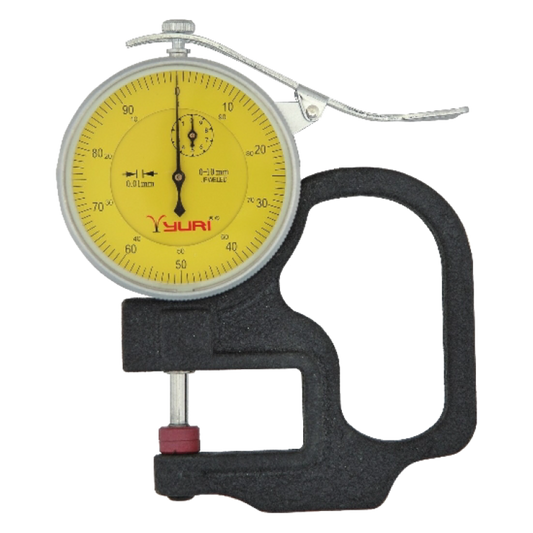
Yuri Thickness Gauge
Regular price Rs. 0.00Regular priceUnit price per -
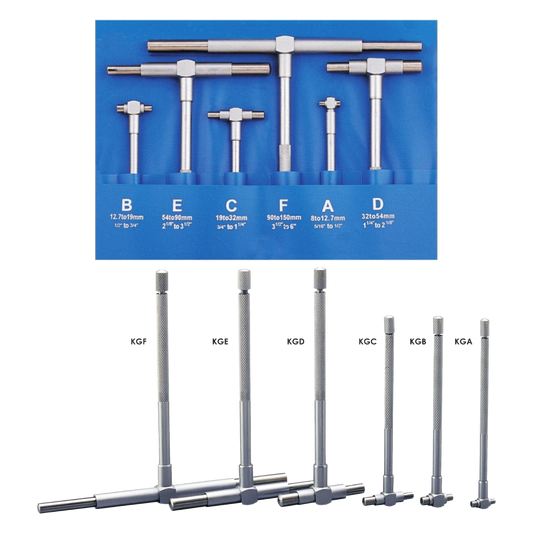
Yuri Telescoping Gauges
Regular price Rs. 0.00Regular priceUnit price per -
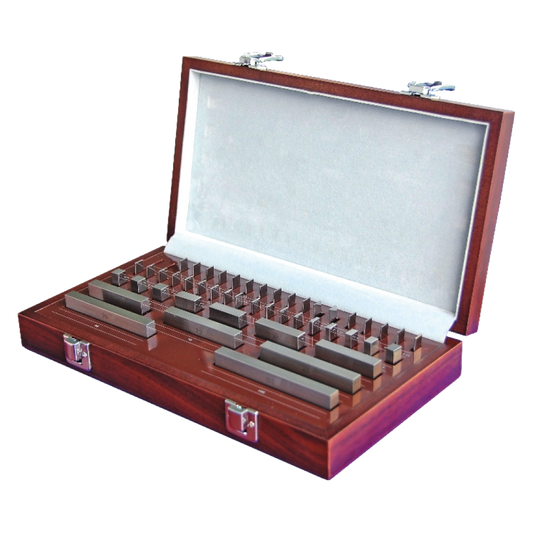
Yuri Gauge Block Set
Regular price Rs. 0.00Regular priceUnit price per -
Yuri Dial Snap Gauge
Regular price Rs. 0.00Regular priceUnit price per -
Yuri Dial Bore Gauges
Regular price Rs. 0.00Regular priceUnit price per -
Yuri Caliper Gauges For Outside Measurement
Regular price Rs. 0.00Regular priceUnit price per -
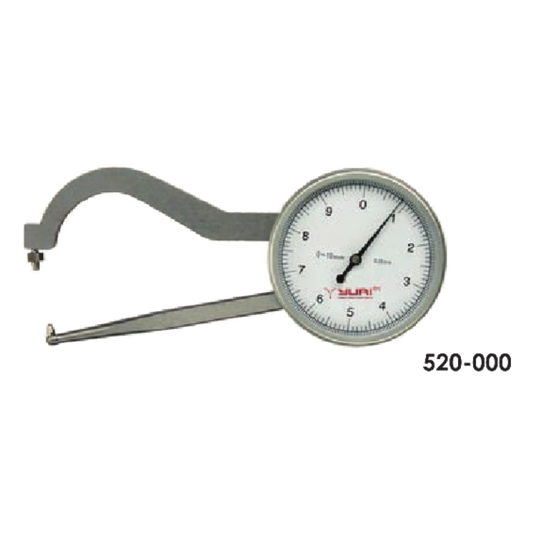
Yuri Caliper Gauges For Inside Measurement
Regular price Rs. 0.00Regular priceUnit price per
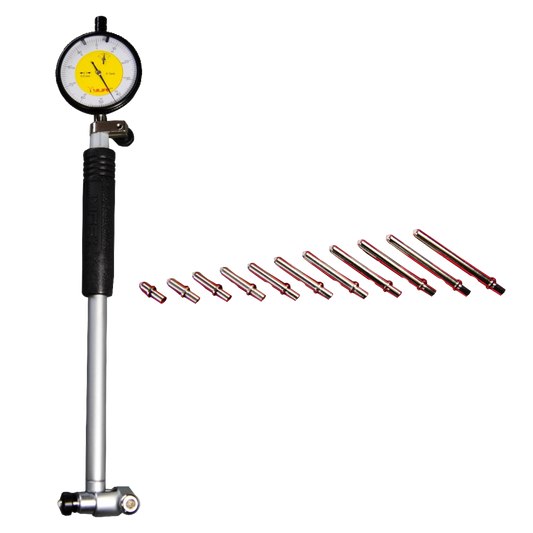
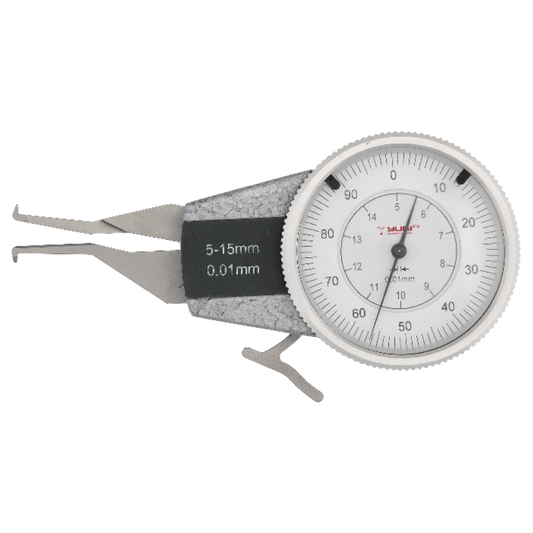
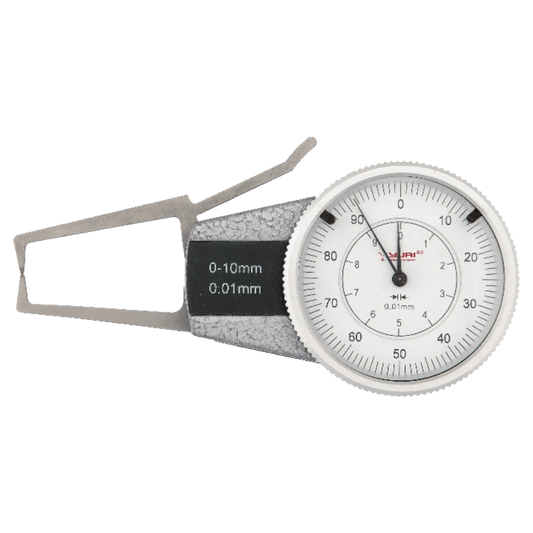
Gauge Tools for Accurate Checking and Everyday Workshop Measurements
A good gauge may look like a small tool, but in a busy workshop it can save a lot of time, rework, and guesswork. When workers need to check size, depth, gap, thickness, pressure, alignment, or fitting accuracy, they need a measuring tool they can trust. Yuri gauge tools are made for practical checking work across workshops, repair units, construction teams, fabrication setups, and maintenance jobs.
The real value of a gauge comes from confidence. If a part is slightly off, a hole is not aligned, or a fitting does not sit properly, the mistake may not show immediately. It may appear later during installation, finishing, or machine operation. Using the right gauge helps workers catch these issues early, before the job becomes more expensive or time-consuming.
This collection is useful for professionals who do not want to depend only on visual judgement. Whether the work involves machine repair, tool setting, fabrication checks, installation support, or routine quality inspection, a dependable gauge helps make the final result cleaner, safer, and more consistent.
Why Gauge Tools Matter in Daily Work
In many Indian workshops and job sites, work happens quickly. A technician may be checking a fitting in the morning, repairing a machine by afternoon, and helping with an installation later in the day. In that kind of workflow, simple and accurate checking tools become important. A gauge helps the user confirm whether the measurement is right instead of relying on rough estimation.
This is especially useful when several people are working on the same job. One person may cut, another may drill, and another may assemble or inspect. If the measurement is checked properly at each stage, the final work becomes smoother and there is less chance of mismatch.
- Checking gaps, depth, thickness, or alignment before final fitting
- Supporting repair work where exact measurement is needed
- Helping technicians avoid repeated trial and error
- Improving consistency in workshop and site-level jobs
- Reducing rework caused by wrong marking or poor checking
- Supporting quality checks before assembly, cutting, or installation
Why Choose Yuri Gauge Tools
Yuri gauge tools are selected for users who need practical measuring support in real working conditions. A tool used in a workshop should be clear to read, comfortable to handle, and suitable for repeated use. It should not feel delicate or confusing when the user is working under time pressure.
For professionals, the best measuring tool is the one that becomes part of the daily routine. It should help them make quick checks without slowing the job. Yuri focuses on useful product options that can support technicians, mechanics, fabricators, contractors, and maintenance teams during regular work.
A gauge is not only for large factories. It is equally useful in small repair shops, service centers, installation teams, and field maintenance work where accuracy still matters. Even a small measurement error can affect how a part fits, how a machine runs, or how cleanly a job is finished.
- Useful for inspection, checking, and setup work
- Suitable for workshops, repair units, and site teams
- Helpful for reducing measurement-related mistakes
- Practical for repeated daily use
- Easy to keep as part of a technician tool kit
- Suitable for users who want better control before final work
Common Applications of Gauge Tools
Gauge tools can be used in different ways depending on the trade. In a machine repair shop, they may be used to check wear, clearance, or fitting condition. In a fabrication unit, they may help confirm alignment or spacing before welding or assembly. In construction and installation work, they can support checking jobs before drilling, cutting, or final fixing.
The main purpose is simple: measure first, work with confidence later. This habit becomes even more important when the material is expensive, the surface is already finished, or the job needs to be completed correctly the first time.
Where Gauge Tools Are Commonly Used
| Work Area | How a Gauge Helps |
|---|---|
| Repair workshops | Helps check fitting, clearance, wear, and part condition before reassembly |
| Fabrication units | Supports alignment and spacing checks before welding, cutting, or finishing |
| Construction and installation | Helps confirm measurement before drilling, mounting, or fixing |
| Maintenance teams | Useful for routine inspection, machine checks, and replacement decisions |
| Tool rooms and service centers | Supports setup checks where small measurement differences matter |
Choosing the Right Gauge for Your Work
Before choosing a gauge, first think about the type of measurement you need to take. Some users need a tool for quick checking. Others need better accuracy for inspection or repair work. The surface, part size, working area, and frequency of use all matter.
If the gauge will be used by technicians every day, comfort and clarity become important. A tool that is difficult to read or awkward to hold can slow down the work. For occasional use, a basic option may be enough. For regular workshop use, it is better to choose a stronger and more dependable option that can stay accurate with careful handling.
- What type of measurement needs to be checked
- How often the tool will be used
- Whether the work is workshop-based or site-based
- How much accuracy the job requires
- Whether the tool needs to be carried daily
- How easy it is to read, handle, clean, and store
How Gauge Tools Fit Into Wider Site and Workshop Work
Gauge tools are often used alongside other tools on the same job. For example, a contractor working on outdoor fixing or field support may measure and mark before using an earth auger machine for ground-hole work, post hole digger applications, or similar site preparation tasks. Measuring first helps the worker keep spacing and placement more controlled.
In repair units and service centers, gauges are also useful when checking whether a part needs adjustment or replacement. When the issue is related to worn components, users can also explore Yuri machine spare parts for support with power tool spare parts and power tool spares used in regular maintenance work.
For civil, tile, and stone-related jobs, checking the line, edge, or fitting area before cutting can make a big difference. Teams that handle cutting work may also use a marble cutter machine or marble cutter for stone cutting machine applications where accurate marking and clean preparation matter.
Who Can Use Yuri Gauge Tools?
- Workshop technicians
- Machine repair teams
- Fabricators and welders
- Construction contractors
- Installation workers
- Maintenance staff
- Service center teams
- Tool room workers
- DIY users who want more accurate checking
Simple Care Tips for Gauge Tools
Measuring tools should be treated with a little more care than rough-use tools. A gauge may not need complicated maintenance, but it should be kept clean, dry, and protected from drops. Dust, rust, and careless storage can affect the way it reads or fits during checking work.
After use, wipe the tool clean and keep it in a safe place. Avoid keeping it loose in a heavy toolbox where it can get hit by larger tools. If the gauge is used in dusty or oily work areas, clean it before storage so it remains easy to read and handle the next time.
- Keep the gauge clean after every use
- Store it in a dry and protected place
- Do not drop or force the tool
- Avoid using it as a lever or general hand tool
- Check readability before important measurement work
- Keep it away from heavy impact inside toolboxes
FAQs
What is a gauge used for?
A gauge is used for checking measurements such as gap, depth, thickness, alignment, clearance, or fitting accuracy depending on the type of gauge.
Are gauge tools useful for workshops?
Yes, gauge tools are very useful in workshops because they help technicians check parts and fittings before assembly, repair, cutting, or installation.
Can beginners use gauge tools?
Yes, many gauge tools are simple to use. Beginners should first understand what the gauge is meant to check and then use it carefully on the correct surface or part.
How should I store a gauge?
Store it in a dry place, away from heavy tools, dust, and moisture. A small case or separate tool section is better for long-term care.
Why is accurate checking important before cutting or drilling?
Accurate checking helps reduce mistakes. Once a material is cut, drilled, or fixed in place, correcting an error can take more time and money.
Explore Yuri Gauge Tools
Yuri gauge tools are made for users who want better checking, cleaner work, and more confidence before final assembly, repair, or installation. They are useful for workshops, construction teams, service centers, and maintenance workers who need dependable measuring support in everyday work.
Whether you are checking a part before repair, confirming a fit before installation, or improving quality control in your workshop, the right gauge helps bring more accuracy into the job without making the process complicated.